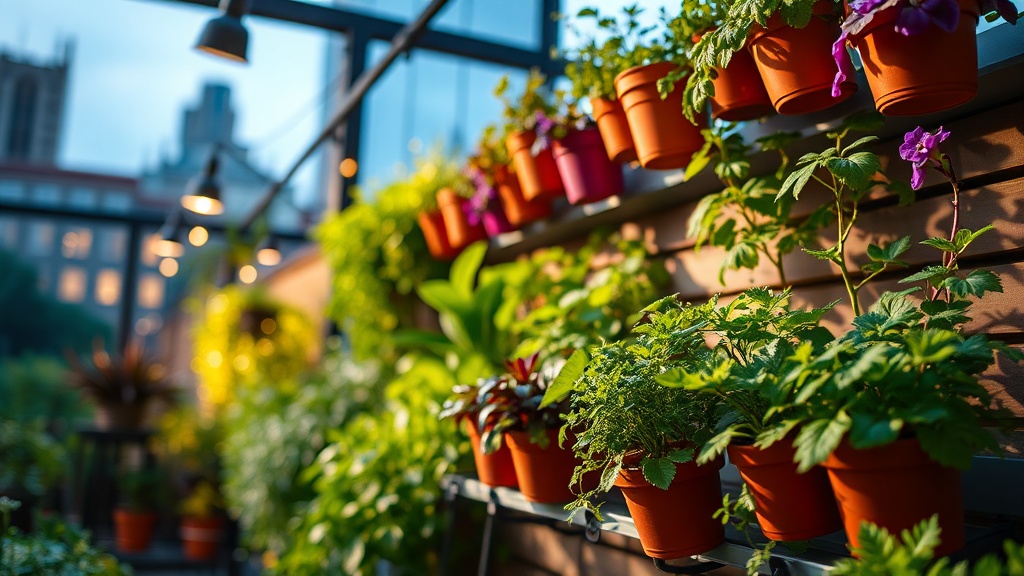
Beyond the Backyard: Cultivating Abundance Through Vertical Garden Innovation

Is your small outdoor space limiting your gardening dreams?
Many urban dwellers, or even those with modest suburban plots, often feel constrained by a lack of horizontal growing area. But what if you could multiply your garden’s capacity by thinking vertically? This post explores innovative vertical gardening techniques, demonstrating how you can transform compact balconies, patios, and even bare walls into lush, productive havens. We’ll cover various system types, recommend ideal plants, and offer practical tips for nurturing your elevated garden, ensuring you get the most out of every square foot—or rather, every cubic foot—of your outdoor living space. It’s about making smarter choices, not just bigger ones.
What kinds of vertical garden systems really work?
The beauty of vertical gardening lies in its adaptability; there’s a solution for almost every space and budget. You can start simple or go all-out with a custom installation. Trellises, for instance, are perhaps the most classic vertical solution. They’re fantastic for vine crops like cucumbers, pole beans, and certain squash varieties. A sturdy wooden trellis or even a simple wire mesh attached to a fence can support significant growth, lifting plants off the ground and improving air circulation, which helps prevent fungal diseases. Plus, harvesting is often much easier when your produce isn't hiding under leaves on the soil.
Stackable planters offer another excellent entry point. These often come as tiered systems, allowing you to grow multiple plants in a compact footprint. They're particularly well-suited for herbs, strawberries, and leafy greens. When choosing stackable units, look for designs with good drainage for each tier—you don't want waterlogging at the bottom. Some designs even feature integrated irrigation systems, which can be a real time-saver. You'll find options made from recycled plastics (a sustainable choice!) or terracotta, each with its own aesthetic and functional benefits.
For a more advanced approach, consider living wall systems or wall-mounted planters. These can be striking architectural features as well as productive gardens. Living walls typically involve modular panels filled with growing media, attached directly to a wall or a freestanding frame. They demand a bit more planning—especially regarding water delivery and structural support—but the visual impact and growing potential are substantial. Think about pockets made from felt or fabric, or rigid plastic modules, each holding individual plants. For something a little less involved but equally effective, a series of wall-mounted pots or repurposed gutters can also create a compelling vertical display for smaller edibles or flowers.
DIY options abound too, if you're handy. Pallet gardens, for example, are a popular and cost-effective way to create vertical planting space. With a bit of sanding and perhaps some protective sealant, an old wooden pallet can become a multi-tiered planter for herbs, lettuce, or even small annual flowers. Just be sure the pallet hasn't been treated with harmful chemicals (look for an "HT" stamp, indicating heat treatment, rather than "MB" for methyl bromide). You can also repurpose plastic bottles, old tires, or even rain gutters into unique vertical planters, showcasing creativity while reducing waste. Remember, the key is solid construction and adequate drainage for whatever system you choose.
For more inspiration on designing various vertical garden systems, consider resources like the