Collect Rainwater for a Thriving, Water-Wise Garden

Quick Tip
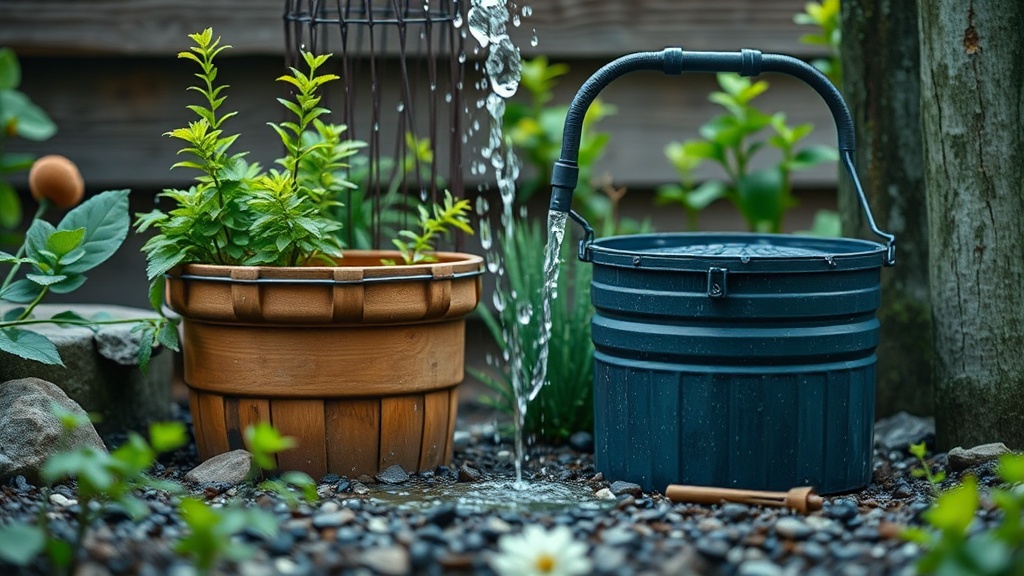
Position your rain barrel beneath a downspout and add a mesh screen to keep debris out while collecting free, chlorine-free water that your plants will love.
Rainwater harvesting transforms a garden's water footprint while cutting utility bills. This guide covers barrel selection, setup basics, and simple maintenance routines that keep collected water clean and ready for plants. Whether facing watering restrictions or just aiming for self-sufficiency, capturing rainfall offers immediate benefits.
What Type of Rain Barrel Works Best?
A good barrel holds 50–80 gallons and includes a screen to keep mosquitoes out. The RTS Home Accents 50-Gallon Rain Barrel ($129 at Home Depot) features a flat-back design that sits flush against house siding. For larger gardens, the Good Ideas Impressions Palm 90-Gallon ($189) stores enough for a week of watering.
Here's the thing: material matters more than capacity. Plastic barrels (recycled polyethylene) resist algae growth and handle freezing better than wood. Metal options—like those from Rain Wizard—look sharper but cost 40% more and eventually rust. Worth noting, some municipalities offer rebates that offset 50–75% of barrel costs. Check EPA WaterSense for local programs.
| Barrel Type | Capacity | Price Range | Best For |
|---|---|---|---|
| RTS Home Accents Flat-Back | 50 gallons | $100–$140 | Small patios, tight spaces |
| Good Ideas Impressions Palm | 90 gallons | $170–$220 | Active gardeners, vegetable plots |
| Algreen Cascata Decorative | 65 gallons | $200–$250 | Front yards, visible locations |
| DIY Food-Grade Drum | 55 gallons | $30–$60 | Budget setups, temporary use |
How Do You Connect a Rain Barrel to Downspouts?
Most setups take under an hour with basic tools. Start by measuring downspout height—the barrel's top should sit 6–12 inches below the cut point to allow overflow clearance. Use a hacksaw to remove a downspout section, then attach a flexible diverter (the Fiskars Rain Barrel DiverterPro kit costs $35) that channels water into the barrel while sending excess overflow back through the downspout.
That said, placement matters. Position barrels on level ground—full ones weigh 400+ pounds. Concrete pavers work; wooden platforms rot. The catch? If the barrel sits too low, gravity-fed hoses won't flow. Raising it 12–18 inches on cinder blocks creates enough pressure for soaker hoses. Learn more at Grow Organic's rain barrel guide.
Is Collected Rainwater Safe for All Plants?
Yes—for most garden applications. Rainwater lacks the chlorine and fluoride found in municipal supplies, making it ideal for sensitive plants like ferns and orchids. Vegetables thrive on it too. However, avoid using roof runoff on leafy greens within two weeks of harvest if the roof contains asphalt shingles (the oils can transfer).
Keep water fresh by emptying barrels monthly during dry spells. A tablespoon of Mosquito Dunks (Bt israeliensis bacteria) prevents larvae without harming plants—one dunk treats 100 gallons for 30 days. For algae control, paint barrels dark green or black (light colors promote growth). In winter, drain completely and store upside-down to prevent cracking.
Detroit receives roughly 33 inches of annual rainfall. A 1,000-square-foot roof generates 620 gallons per inch of rain—enough to fill a dozen barrels. Start with one. Plants notice the difference immediately. The American Rainwater Catchment Systems Association offers detailed regional guides for scaling up.