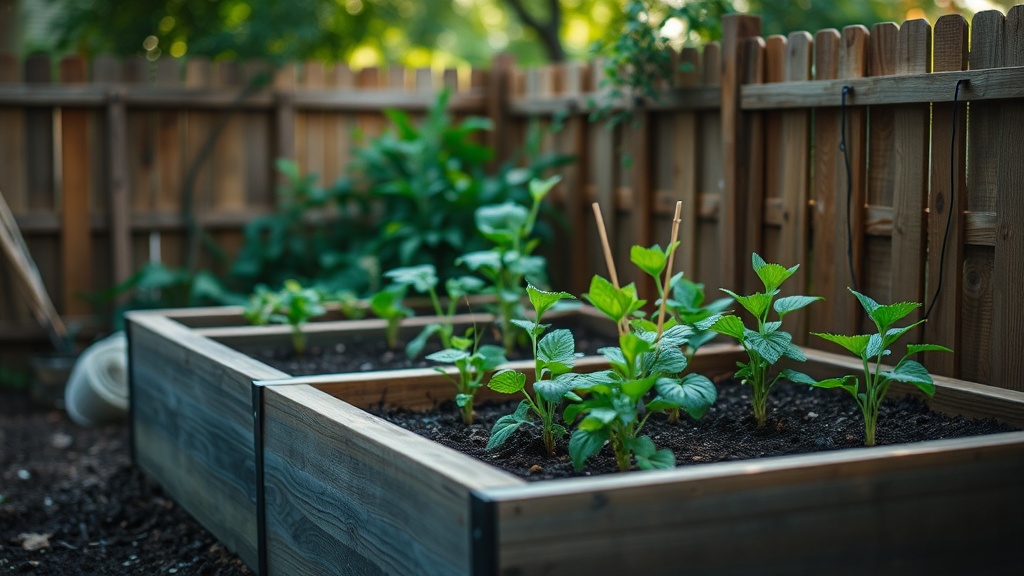
Constructing a Resourceful Raised Garden Bed: A Backyard Project for Thoughtful Growers

Why Opt for Reclaimed Lumber in Your Garden Bed Construction?
This post will guide you through the process of designing and building a functional, long-lasting raised garden bed using thoughtfully sourced reclaimed materials, offering a sustainable and cost-effective approach to expanding your gardening space. You’ll learn how to identify safe materials, implement durable construction techniques, and contribute to a greener planet — all while growing delicious produce right in your backyard.
The decision to build a raised garden bed often comes from a desire for better soil control, improved drainage, or simply a more organized growing area. When you choose reclaimed lumber for this project, you’re adding a significant layer of environmental responsibility to these benefits. Utilizing materials that might otherwise end up in landfills reduces waste and decreases the demand for new timber, which in turn conserves forest resources and lowers the carbon footprint associated with manufacturing and transport.
Beyond the ecological advantages, there’s a distinct economic appeal. New lumber, especially rot-resistant varieties suitable for outdoor use, can be quite expensive. Reclaimed wood, often available for free or at a minimal cost from construction sites, demolition projects, or even online marketplaces, makes building a robust garden bed far more accessible. This cost-saving allows you to allocate more of your budget to quality soil amendments, seeds, or plants — truly making your gardening endeavors more productive and enjoyable.
Beyond that, reclaimed materials frequently possess a unique character that new wood simply can’t replicate. The weathered look of aged planks, the subtle variations in grain, or the history embedded in each piece can add a rustic charm and aesthetic appeal to your garden that a brand-new build might lack. It tells a story, lending a lived-in, authentic feel to your outdoor sanctuary. This blend of practicality, sustainability, and visual appeal makes reclaimed lumber an excellent choice for the discerning, eco-conscious gardener.
What Reclaimed Materials Are Safe and Suitable for Growing Vegetables?
When working with reclaimed materials, especially for something that will house edibles, safety is paramount. The biggest concern with salvaged wood is often chemical treatment, particularly with older lumber. Pressure-treated wood, commonly used for decks and outdoor structures built before 2003, often contains chromated copper arsenate (CCA) — a pesticide that can leach into soil and contaminate crops. Identifying and avoiding CCA-treated wood is absolutely crucial for the health of your plants and, by extension, your family. Look for a greenish tint, staple-sized incisions, or labels indicating “CCA” or “pressure treated.”
So, what *can* you use? Untreated hardwood or softwood timbers are excellent choices. Old fencing, pallets (though these require careful inspection), barn wood, and even discarded structural lumber from remodels can be ideal. Pallets, for example, often come marked with codes: HT (heat treated) is safe, while MB (methyl bromide treated) should be avoided. Always ensure pallets are clearly marked HT before use. You can find comprehensive guides on pallet safety from sources like