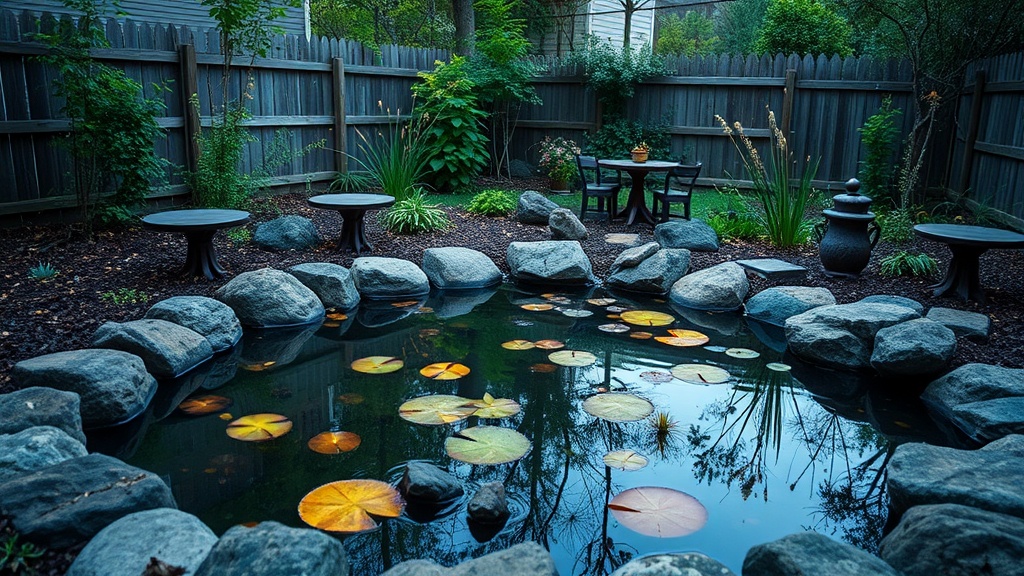
Designing a Backyard Haven: Building a Pond for Local Wildlife

Designing a Backyard Haven: Building a Pond for Local Wildlife
Did you know that ponds, despite their small size, support an astonishing two-thirds of all freshwater species? They’re often richer in biodiversity than larger bodies of water like rivers and lakes. Creating a small pond in your backyard isn't just a charming aesthetic addition—it's a powerful way to support local ecosystems, providing a vital habitat for everything from insects and amphibians to birds and small mammals. This guide walks you through the practical steps of constructing a wildlife-friendly pond, focusing on design principles that invite and sustain a thriving micro-ecosystem right outside your door.
Why should you consider adding a small pond to your backyard?
Beyond the simple beauty they bring, backyard ponds offer a surprising array of ecological benefits. They act as critical watering holes and breeding grounds, especially in urban and suburban landscapes where natural habitats are increasingly fragmented. Imagine dragonflies darting over the surface, frogs serenading from the margins, and birds stopping for a drink—each adding a vibrant layer to your garden's biodiversity. These mini-ecosystems also play a role in local hydrology, helping to manage rainwater runoff and even sequester carbon.
A well-designed wildlife pond can serve as an outdoor classroom, offering endless opportunities for observation and connection with nature. For children and adults alike, it's a window into the interconnectedness of life, demonstrating ecological principles in real-time. Plus, the calming presence of water can transform any backyard into a more tranquil and engaging space for relaxation and enjoyment.
What key steps are involved in building a wildlife-friendly pond?
Building a wildlife pond is a rewarding project that combines thoughtful planning with hands-on effort. The goal isn't a pristine, ornamental water feature, but rather a functional, naturalistic habitat.
Site Selection and Planning
Choosing the right location is key. Opt for a spot that receives morning sun but is shaded from intense afternoon heat—too much sun encourages excessive algae growth. Avoid areas directly under large trees, as falling leaves will constantly foul the water, and their roots can puncture your pond liner. Consider visibility from your home; you'll want to enjoy the wildlife it attracts! Ensure the ground is relatively level, or be prepared to level it yourself.
Digging and Shaping Your Pond
Start by outlining your desired pond shape with a rope or hose. Think organic, natural curves rather than perfect circles or squares. Digging is the most labor-intensive part. Aim for varying depths: a shallow beach-like area (no more than a few inches deep) is crucial for wildlife to enter and exit safely, and for basking. Include deeper sections (at least 24 inches in some areas) to provide stable temperatures and a refuge for creatures during extreme weather. Create shelves around the edges at different depths for placing aquatic plants. This layered approach mimics natural pond environments and maximizes habitat diversity.
Lining and Edging for Success
Once your hole is dug and shaped, remove any sharp stones or roots. Lay down a protective underlayment (old carpet, thick newspaper, or purpose-made pond fleece) to prevent punctures. Then, carefully position your pond liner. EPDM rubber liners are durable and flexible—a worthwhile investment. Drape it over the hole, ensuring there’s plenty of overlap around the edges. Begin to fill the pond slowly with water. As it fills, the water's weight will push the liner into place; smooth out major creases. As the pond fills, fold and secure the liner edges with rocks, paving slabs, or turf, creating a natural-looking border that also allows for capillary action to wick water back into the soil if not properly managed.
Filling and Initial Setup
When it comes to filling, use rainwater if at all possible. Tap water often contains high levels of chlorine and nutrients that can lead to algal blooms. If you must use tap water, let it sit for a few days to allow chlorine to dissipate. Once filled, resist the urge to immediately introduce plants or creatures. Let the water settle for a week or two, allowing suspended particles to sink and the water to begin stabilizing. This initial period is crucial for establishing a healthy, balanced ecosystem.
How can you ensure your backyard pond thrives with local biodiversity?
Once constructed, the focus shifts to nurturing your pond into a vibrant haven. This involves careful plant selection and a hands-off approach to allow nature to take its course.
Choosing the Right Plants
Native plants are paramount for attracting local wildlife. They provide food, shelter, and breeding sites for a wide range of species that have evolved alongside them. Look for marginal plants like marsh marigold or water mint for the shallow shelves, oxygenators like hornwort or water crowfoot for below the surface, and floating plants such as frogbit. Avoid invasive species at all costs—they can quickly overwhelm your pond and harm local ecosystems. Your local native plant nursery or wildlife trust can offer guidance on species suitable for your region. For further reading,