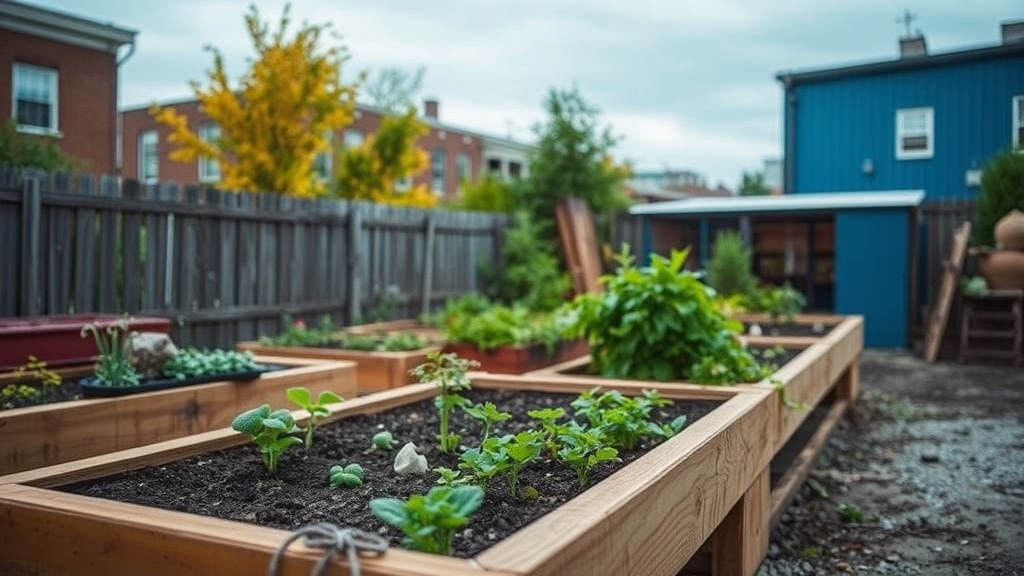
Detroit Salvage Secrets: Six Weather-Resistant Materials for Urban Raised Beds

You're walking down a side street in Corktown and see a pile of weathered brick sitting on the curb next to a half-collapsed chimney. Most people see a mess that needs a dumpster—I see the skeleton of next summer’s heirloom tomato patch. This post breaks down which salvaged materials actually survive a Michigan winter and why picking the right reclaimed source keeps your garden soil clean. If you're tired of spending three hundred dollars on cedar planks every time you want to add a new growing area, it's time to start looking at what the city is already throwing away.
1. Reclaimed Red Clay Bricks
Old bricks are the gold standard for Detroit gardeners. They’ve usually been fired at high temperatures, which makes them dense and resistant to the constant freeze-thaw cycles we get every March. Unlike modern concrete blocks, which can look a bit sterile, old red bricks bring a sense of history to the backyard. They also hold onto heat. When the sun hits a brick bed in April, that thermal mass warms the soil a few degrees earlier than the surrounding ground—giving your seedlings a head start. You'll want to avoid the yellow 'fire bricks' from old furnaces though, as they can sometimes contain heavy metals or residues you don't want near your kale.
Stacking them doesn't require mortar if you keep the beds low. A three-course high wall is plenty for most greens and root vegetables. It's a heavy job (your lower back will remind you of it later), but once these are in place, they aren't going anywhere. You can often find these for free on Craigslist or by talking to local demolition crews. Just make sure you aren't taking them from historic structures that are meant to be preserved.
2. Untreated Cedar Fencing Scraps
Cedar is naturally rot-resistant, which is why it's so popular for high-end garden builds. However, you don't have to buy the 'pristine' boards from the big-box store. Look for people replacing their privacy fences. Even if the bottom six inches of a fence picket are rotted from sitting in wet grass, the top five feet are usually perfectly fine. You can trim off the bad ends and have high-quality, chemical-free wood for the cost of a few circular saw blades.
Since these pickets are thinner than standard 2x6 lumber, you'll need to reinforce the corners. Use 4x4 posts (also salvaged if possible) in the corners to give the thin cedar something to bite into. It won't last twenty years like a stone wall, but it'll give you a solid five to seven seasons of use. It’s a great way to keep plastic out of the landfill while giving your yard a rustic, intentional look. Plus, cedar smells incredible when you're cutting it, which is a nice little bonus for a Saturday afternoon project.
What are the safest salvaged materials for growing food?
Safety is the first thing people ask about when they start digging through piles of junk. You have to be careful about what was previously stored in or on the material. Generally, natural stone, kiln-fired brick, and untreated hardwoods are the safest bets. You want to stay away from anything that might have been painted before 1978 because of lead risks. This is especially true for old window frames or siding. If you're unsure, the