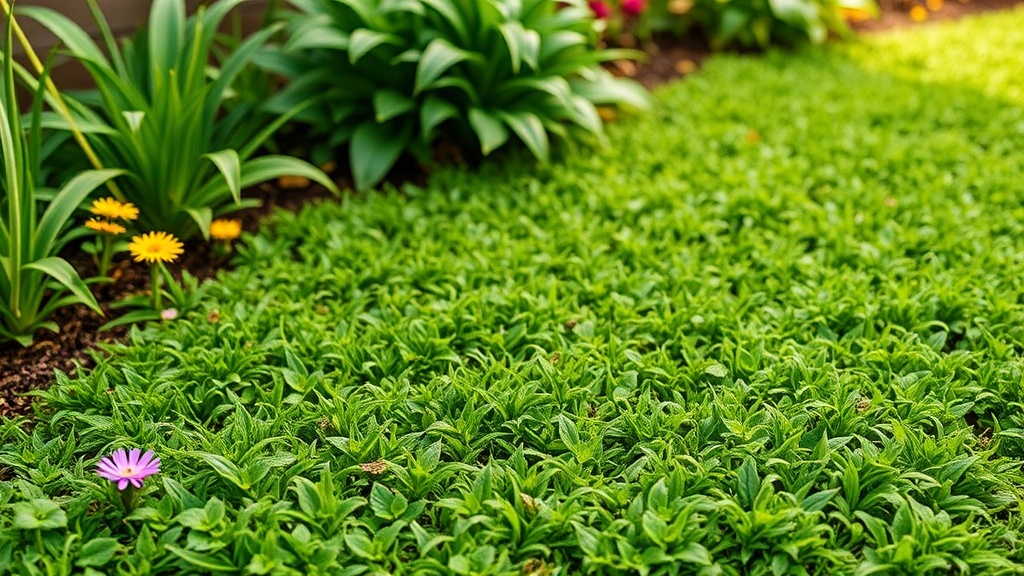
Edible Ground Covers That Replace Your High-Maintenance Lawn

Swapping out traditional grass for edible ground covers cuts your mowing time, slashes water bills, and puts fresh food within arm's reach. This guide covers eight living carpets you can walk on, harvest from, and admire—without the weekly upkeep of a conventional yard. Whether you're tired of fighting crabgrass or simply want more from your square footage, these alternatives deliver.
What Are the Best Low-Growing Plants for Edible Landscaping?
Not every edible plant plays nice as a ground cover. The ideal candidates stay under six inches tall, spread steadily without turning invasive, and handle light foot traffic without complaining. They should also look good doing it—because nobody wants a patchy, diseased-looking lawn replacement.
Here are eight proven performers that check every box:
1. Creeping Thyme (Thymus serpyllum)
This Mediterranean native laughs at drought, shrugs off poor soil, and releases a minty-herbal fragrance every time you brush past it. Come summer, it carpets itself in tiny purple, pink, or white blooms that bees can't resist.
- Growing conditions: Full sun, well-drained soil, hardy in zones 4-9
- Harvest: Snip stems throughout the growing season for fresh or dried culinary use
- Traffic tolerance: Moderate—perfect for paths and between stepping stones
Plant plugs six to eight inches apart in spring. They'll knit together within a single growing season, choking out weeds as they spread. Water deeply but infrequently—creeping thyme hates wet feet.
2. Wild Strawberry (Fragaria vesca)
Unlike the chunky June-bearing varieties bred for supermarkets, alpine and wild strawberries produce tiny, intensely flavored berries all season long. The trifoliate leaves stay evergreen in mild climates, and the plant sends out delicate runners that fill gaps naturally.
- Growing conditions: Partial shade to full sun, moist but well-drained soil, zones 5-9
- Harvest: Pick ripe berries continuously from late spring through frost
- Bonus: White-flowering varieties exist for a cleaner, more manicured look
The berries are small—think pinky fingernail-sized—but the flavor is concentrated and complex. Children love hunting for them, and the plants require zero fertilizer once established.
3. Corsican Mint (Mentha requienii)
The smallest member of the mint family forms a dense, moss-like mat of bright green leaves. It's the traditional flavoring for crème de menthe, and it thrives in the kind of damp, shady spots where grass typically sulks and turns yellow.
- Growing conditions: Partial to full shade, consistently moist soil, zones 6-9
- Harvest: Gather leaves for teas, desserts, or cocktails
- Warning: Dies back in hard winters but usually returns from roots
Because it spreads via surface runners rather than aggressive rhizomes, Corsican mint stays where you put it—mostly. A shallow edging barrier prevents any wandering ambitions.
4. Roman Chamomile (Chamaemelum nobile)
This perennial herb creates a soft, ferny carpet that releases an apple-like scent when crushed. The daisy-like flowers appear in early summer and make excellent calming tea—fresh or dried.
- Growing conditions: Full sun to partial shade, average soil, zones 4-9
- Harvest: Pick flowers at full bloom for drying; use leaves fresh
- Traffic tolerance: Light foot traffic only—plant between pavers, not on main paths
Unlike its annual cousin German chamomile, Roman chamomile persists year after year. It's slightly less prolific as a bloomer but far more durable as a living mulch.
How Do You Prepare Soil for an Edible Ground Cover?
Dumping seeds onto compacted clay won't magically create a lush carpet—you'll get patchy growth and frustrated expectations. Proper preparation sets the foundation for decades of low-maintenance harvests.
Start by killing existing grass. Sheet mulching—layering cardboard topped with four to six inches of compost—smothers turf without chemicals and builds soil simultaneously. Wait eight to twelve weeks for decomposition, then plant directly into the rich, dark layer beneath.
Test your soil pH. Most edible ground covers prefer slightly acidic to neutral conditions (pH 6.0-7.0). Lime adjusts acidic soil; sulfur lowers alkaline patches. This step matters— thyme in alkaline clay will struggle and look scraggly no matter how much you baby it.
Finally, consider your drainage. Standing water rots the roots of Mediterranean herbs like thyme and oregano. If your yard holds puddles for days after rain, install French drains or build raised mounds before planting. Your future self—harvesting herbs instead of battling fungal diseases—will thank you.
5. Nasturtium (Tropaeolum majus)
Usually grown as a climbing annual, dwarf nasturtium varieties like 'Alaska' or 'Jewel' sprawl into colorful carpets. Every part of the plant is edible—peppery leaves, sweet nectar-filled flowers, and seed pods that pickle into excellent caper substitutes.
- Growing conditions: Full sun to partial shade, poor to average soil, annual in all zones
- Harvest: Continuous from early summer until hard frost
- Pro tip: Don't fertilize—rich soil produces lush leaves but few flowers
Nasturtiums excel in spots where nothing else thrives. That dry, neglected corner by the driveway? Perfect. They'll self-seed reliably, returning year after year without replanting.
6. Purslane (Portulaca oleracea)
Before you roll your eyes—yes, this is the same "weed" that invades sidewalk cracks. But cultivated purslane (look for 'Gruner Red' or 'Goldberg') is upright, attractive, and packed with more omega-3 fatty acids than any other leafy green.
- Growing conditions: Full blazing sun, poor sandy soil, annual
- Harvest: Snip stems for salads, stir-fries, or soups
- Water needs: Practically zero once established
The succulent leaves and stems have a lemony crunch that pairs beautifully with tomatoes and feta. Plant it where heat radiates off pavement—it loves the warmth that wilts lesser plants.
7. Oregano (Origanum vulgare)
Common oregano isn't just for herb gardens—it sprawls into dense, knee-high mats that carpet entire hillsides in Mediterranean climates. Regular mowing keeps it lower and encourages tender new growth.
- Growing conditions: Full sun, well-drained soil, zones 5-10
- Harvest: Cut stems before flowering for strongest flavor
- Traffic tolerance: Moderate—holds up to occasional walking
Greek and Italian varieties offer the best culinary quality. For purely ornamental (but still edible) coverage, 'Aureum' provides chartreuse foliage that brightens shady spots.
What Maintenance Do Edible Lawns Actually Need?
"Low-maintenance" doesn't mean "no-maintenance." These living carpets need different care than grass—less frequent, but more purposeful.
Water deeply and rarely. Shallow daily sprinkling encourages weak, surface-rooted plants. Instead, soak the soil to six inches depth, then let the top layer dry before repeating. Established thyme, oregano, and purslane can survive weeks without irrigation.
Weed aggressively in year one. Young ground covers haven't filled in yet, and weeds exploit every gap. Hand-pull invaders before they set seed—it gets easier every season as your plants thicken and shade out competition.
Feed lightly, if at all. Most of these plants evolved in lean soils and produce stronger flavors when slightly stressed. A spring dressing of compost is plenty. High-nitrogen fertilizers create floppy, disease-prone growth that tastes bland.
Harvest regularly. Cutting herbs back by one-third several times per season prevents woody, overgrown patches and keeps plants producing tender new growth. Don't worry—you'll use what you clip.
8. Claytonia (Claytonia perfoliata)
Also called miner's lettuce or winter purslane, this North American native emerges in late winter and carpets moist, shady areas with lily-pad-shaped leaves. It's one of the first fresh greens available when snow still lingers in the garden.
- Growing conditions: Partial to full shade, moist rich soil, zones 6-10
- Harvest: Whole rosettes in early spring before flowering
- Self-seeding: Reliably perennializes through volunteer seedlings
The mild, spinach-like flavor works raw in salads or briefly wilted. In mild climates, it grows straight through winter with minimal protection.
Designing Your Edible Landscape
Mix textures and heights for visual interest. Picture creeping thyme between stepping stones, wild strawberries softening bed edges, and nasturtiums spilling over retaining walls. The result looks intentional—not like a vegetable garden exploded across your yard.
Consider traffic patterns. Place durable thyme and oregano where people walk; keep delicate Corsican mint and chamomile in purely visual areas. Edible doesn't have to mean fragile.
Integrate with existing landscaping. These plants work beautifully beneath fruit trees, along fence lines, or as front-yard ground covers where traditional vegetable gardens might draw HOA complaints. You'll harvest food while maintaining curb appeal.
For more information on sustainable lawn alternatives, the EPA's WaterSense program offers excellent resources on reducing irrigation needs. The USDA Natural Resources Conservation Service provides soil health guidance specific to your region. And for plant selection tailored to your hardiness zone, consult the USDA Plant Hardiness Zone Map.
"The best time to plant an edible ground cover was five years ago. The second best time is this weekend."
Your lawn has eaten enough of your Saturdays. Pick two or three plants from this list, prepare a small test patch this season, and expand as you learn what thrives in your specific microclimate. Within a few years, you could be harvesting dinner ingredients on your way to the mailbox—no tools required.