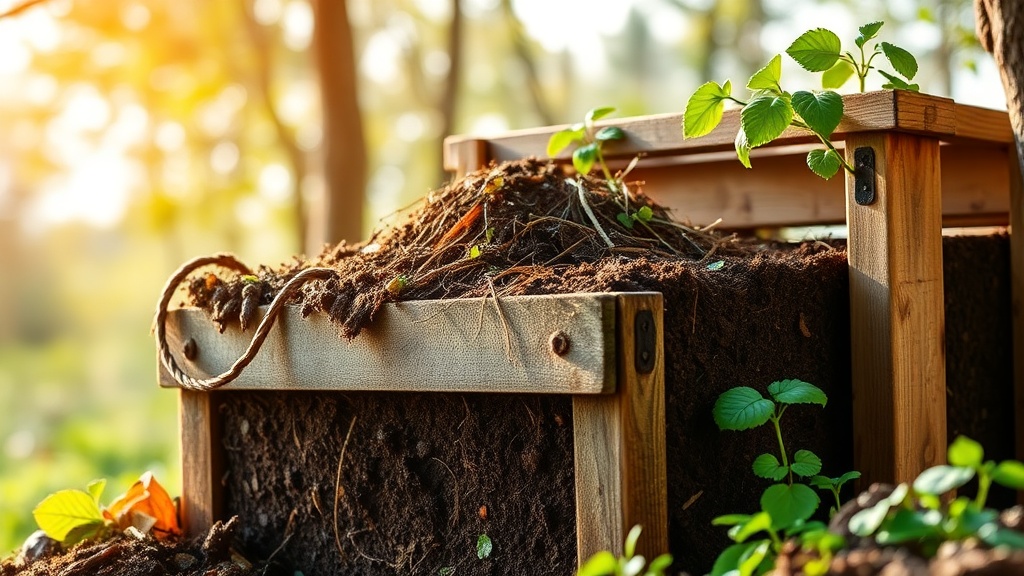
How to Start a DIY Compost Bin: A Beginner's Complete Guide

This guide covers everything needed to start composting at home—from choosing the right bin type to maintaining the perfect balance of materials. Composting reduces household waste (the average American throws away nearly 300 pounds of food scraps annually) while creating nutrient-rich soil that transforms garden beds and container plantings. Whether you have a sprawling backyard or a tiny apartment balcony, there's a composting method that fits your space.
What Can You Put in a Compost Bin?
Nearly any organic material can break down into compost. That said, understanding the difference between "greens" (nitrogen-rich materials) and "browns" (carbon-rich materials) makes the difference between a smelly pile and rich, earthy humus.
Greens include vegetable scraps, fruit peels, coffee grounds, fresh grass clippings, and plant trimmings. These materials are wet, often green, and decompose quickly. They provide nitrogen—the protein source for the microorganisms doing the actual decomposition work.
Browns consist of dry leaves, straw, shredded newspaper, cardboard, and wood chips. These add carbon, which provides energy for those same microbes. They also create air pockets that keep the pile from becoming a slimy, anaerobic mess.
The ideal ratio sits around 3 parts browns to 1 part greens. Here's the thing—this doesn't need to be exact. A compost pile is surprisingly forgiving. Add too many greens? The pile smells like ammonia. Too many browns? Decomposition slows down. Both problems fix easily with adjustment.
| Material Type | Compost It? | Notes |
|---|---|---|
| Vegetable scraps | Yes | Chop large pieces for faster breakdown |
| Coffee grounds + filters | Yes | Filters count as browns |
| Egg shells | Yes | Crush them first; adds calcium |
| Meat and dairy | No | Attracts pests and creates odors |
| Diseased plants | No | Heat may not kill pathogens |
| Pet waste | No | Contains harmful bacteria and parasites |
How Do You Build a DIY Compost Bin?
A functional compost bin costs little—or nothing—to build. The design depends on your space, budget, and how quickly you want finished compost.
The easiest option? A simple wire bin made from 10 feet of 36-inch hardware cloth (available at Home Depot or Lowe's for under $15). Cut the wire, form it into a cylinder, and secure with zip ties. This open design allows excellent airflow—critical for hot composting. It works beautifully for yard waste and garden scraps. The catch? Kitchen scraps exposed to open air attract critters.
For enclosed composting, a plastic trash can with ventilation holes drilled around the sides and bottom serves well. The Rubbermaid Roughneck 32-gallon bin holds up to weather and costs around $30. Drill 20-30 half-inch holes for airflow, and elevate the bin on bricks to improve drainage. This method keeps rodents out while still producing usable compost in 6-12 months.
Serious composters often build three-bin systems from cedar or pressure-treated lumber. This design—favored by master gardeners—allows materials to move from fresh scraps to active decomposition to finished curing. Plans for this system appear on the EPA's composting guide, complete with material lists and dimensions.
Worth noting: wood pallets make excellent free building material. Check Facebook Marketplace or local businesses for pallets marked "HT" (heat-treated, not chemically treated). Screw four together to form a square, and you've got a bin that costs nothing but time.
Where Should You Put Your Compost Bin?
Location affects decomposition speed, convenience, and pest control more than most beginners realize.
Place the bin in partial shade if possible. Full sun dries out the pile too quickly; full shade slows decomposition. A spot receiving morning sun and afternoon shade hits the sweet spot—especially in warmer climates like the Southeast or Southwest.
Proximity matters. The best compost bin sits close enough to the kitchen that you'll actually use it. (Out of sight, out of mind—compost included.) That said, keep it at least 10 feet from the house foundation to avoid moisture issues and potential odor problems during the learning curve.
Level ground helps. A slight slope works, but flat terrain prevents the pile from shifting and makes turning easier. Good drainage prevents the soggy, anaerobic conditions that create bad smells. Avoid low spots where water collects after rain.
Consider your neighbors. While properly maintained compost shouldn't smell, placement near property lines risks complaints—especially if you're experimenting with ratios. Michigan State University Extension offers excellent guidance on neighborhood-friendly composting that addresses common concerns.
How Do You Maintain a Compost Pile?
Composting isn't "set it and forget it"—but it's close. With minimal weekly attention, materials transform into black gold in 2-6 months depending on your method.
Turning the pile introduces oxygen, which keeps decomposition aerobic and odor-free. Use a pitchfork or compost aerator tool (the Lotech Products Compost Crank works well for bin systems) to mix materials every 7-10 days during active decomposition. Don't overthink this—some turning beats no turning.
Moisture levels require monitoring. Grab a handful of material and squeeze. It should feel like a wrung-out sponge—damp but not dripping. Too dry? Add water during turning or include more greens. Too wet? Mix in dry leaves, shredded cardboard, or straw.
Smell provides instant feedback. A healthy pile smells earthy—like forest floor after rain. Ammonia odors mean too many greens; add browns and turn. Rotten egg smells indicate anaerobic conditions; turn immediately and add dry material.
Temperature matters for hot composting. An REOTEMP compost thermometer ($25-30) helps track internal temps. Ideally, the center reaches 130-150°F—hot enough to kill weed seeds and pathogens. As temperatures drop, it's time to turn and reactivate the pile.
Troubleshooting Common Problems
Ants indicate the pile is too dry. Water it thoroughly and add greens. Flies suggest exposed food scraps—bury kitchen waste under 6 inches of browns. Slow decomposition? Chop materials smaller, turn more frequently, or check the moisture balance.
Rodents create the biggest headaches for urban composters. Avoid this entirely by excluding meat, dairy, and oils. Use an enclosed bin with a secure lid. The FCMP Outdoor Tumbling Composter ($80-120) sits off the ground and rotates, making it virtually pest-proof while speeding decomposition.
When Is Compost Ready to Use?
Finished compost looks like dark, crumbly soil—no recognizable food scraps or yard debris remain. It smells pleasant and earthy. Most materials have broken down into uniform particles ranging from fine dust to pea-sized chunks.
The timeline varies dramatically by method. Hot composting with frequent turning produces finished material in 2-3 months. Cold composting (minimal turning) takes 6-12 months. Vermicomposting—using red wiggler worms—creates fine castings in 3-4 months but requires different management.
Sift finished compost through ½-inch hardware cloth to remove unfinished chunks. Return these "overs" to the active pile for another round. The screened material goes directly into garden beds, container plantings, or lawn top-dressing.
Application rates depend on your soil. For vegetable gardens, spread 2-3 inches across beds and work into the top 6 inches of soil. Container plantings benefit from mixing compost at 25-30% of total volume. Established lawns improve with ¼-inch top-dressing in spring or fall.
Here's the thing about compost—it's nearly impossible to use too much, though heavy applications can temporarily tie up nitrogen as microorganisms decompose remaining carbon. If plants yellow slightly after application, supplement with a nitrogen source like Espoma Garden-tone or fish emulsion.
Starting a compost bin requires some upfront decisions—bin type, location, maintenance commitment—but the rewards accumulate quickly. Less trash at the curb. Richer soil in the garden. A small but meaningful step toward closing the loop in your home ecosystem. Grab those fall leaves and coffee grounds. The pile is waiting.
Steps
- 1
Choose the Right Location and Container
- 2
Layer Green and Brown Materials
- 3
Maintain Moisture and Turn Regularly