Inviting Nature's Pest Patrol: Attracting Beneficial Bugs to Your Garden

Inviting Nature's Pest Patrol: Attracting Beneficial Bugs to Your Garden
Did you know that a single ladybug can devour up to 5,000 aphids in its lifetime? That’s an army of natural pest control waiting to be recruited right in your backyard! This quick tip guide explores how to transform your garden into a welcoming sanctuary for these hard-working insects, drastically cutting down on—or even eliminating—your need for chemical sprays. We'll dive into specific plant choices and habitat enhancements that make your garden a thriving ecosystem, benefitting both your plants and local biodiversity.
What Plants Attract Beneficial Insects to Your Garden?
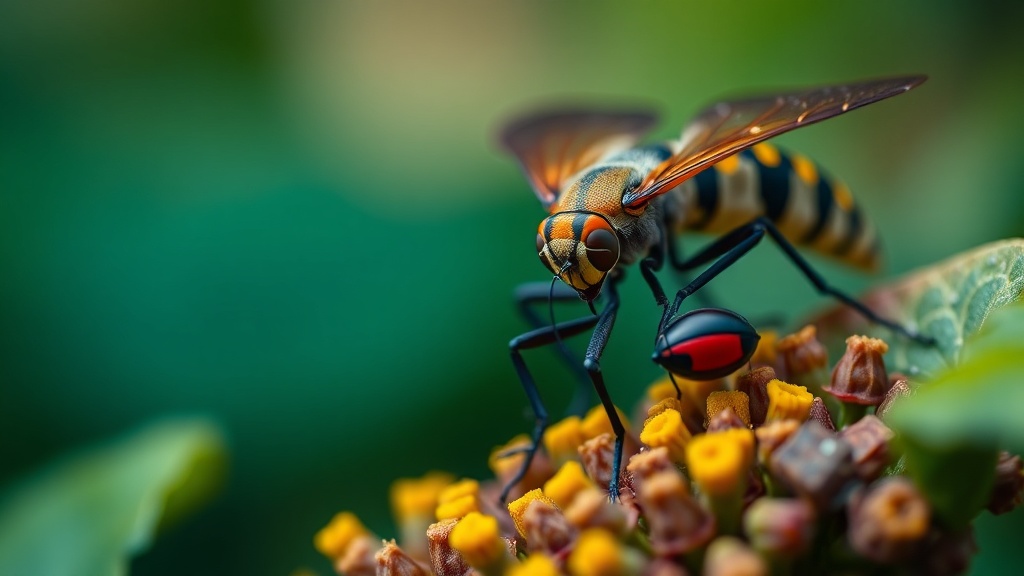
Creating an inviting habitat starts with thoughtful plant selection. Many beneficial insects, especially predatory wasps and hoverflies, are drawn to small, shallow flowers with easily accessible nectar and pollen. Think of plants in the carrot family (Apiaceae) or the daisy family (Asteraceae).
- Dill, Fennel, and Parsley: These herbs aren't just for cooking; their umbrella-like flower clusters are perfect landing pads for predatory wasps and ladybugs. Allow some to go to seed for continuous blooms.
- Yarrow: With its flat-topped flower heads, yarrow provides abundant pollen and nectar, attracting lacewings and hoverflies.
- Clover and Alfalfa: Planting these as ground cover or in designated areas can support a wide array of beneficial insects, enriching your soil in the process.
- Cosmos and Marigolds: Easy to grow and beautiful, these flowers are magnets for pollinators and various predatory insects.
Diversifying your plant palette with these options creates a consistent food source throughout the growing season, encouraging beneficial populations to settle in for the long haul. Learn more about specific plant choices from the