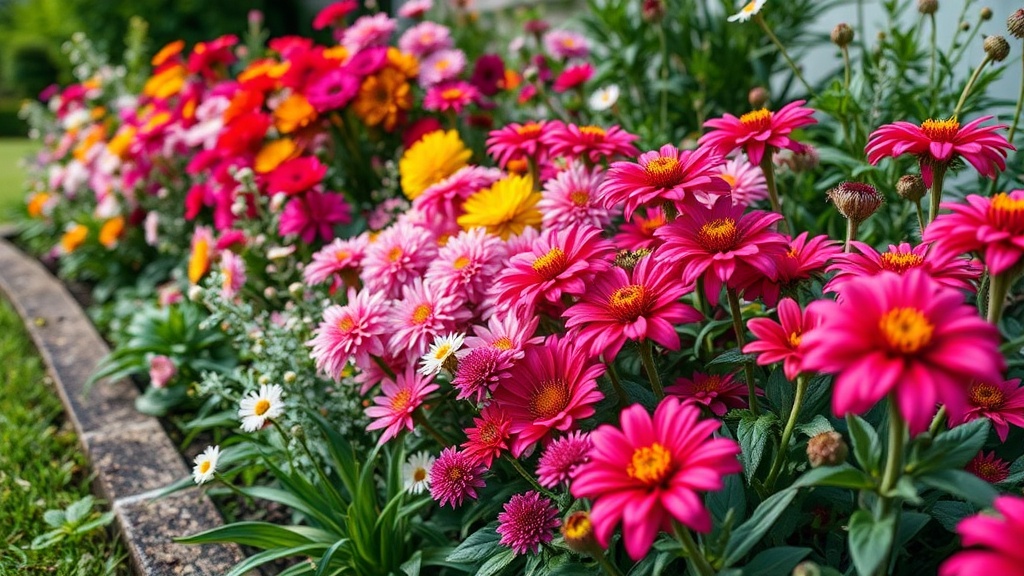
Low-Maintenance Perennial Flower Beds for Busy Gardeners

Why many people think beautiful gardens require daily attention
Most people assume that a lush, flowering garden demands hours of weeding, pruning, and constant watering every single afternoon. They see a beautiful backyard and assume someone spends their entire weekend tending to it. This is a myth. You can actually have a thriving, colorful outdoor space without becoming a slave to your garden shears. The secret isn't working harder; it's selecting the right plants that do the heavy lifting for you. By focusing on perennials that are naturally hardy and drought-tolerant, you can create a space that looks intentional and vibrant even when you're too busy to check on it.
Perennials are the backbone of any sustainable garden. Unlike annuals, which you have to replant every single year, perennials return season after season. This means less time spent at the garden center and more time actually enjoying your outdoor living space. When you choose plants that are native to your region or well-adapted to your specific soil type, you're essentially setting your garden up for success from the start. You're working with nature rather than fighting against it.
What are the best low-maintenance perennials?
If you're looking to build a garden that survives even if you forget to water it for a week, look for plants with deep root systems. Plants like Echinacea (Coneflower) and Rudbeckia (Black-eyed Susans) are fantastic choices. They handle heat well and don't mind a bit of neglect. They also provide food for pollinators, which is a nice bonus for your local ecosystem. If you want something with more structure, consider Amsonia or certain varieties of Nepeta (Catmint). These plants provide texture and color without needing constant fussing.
When selecting your plants, keep an eye on the USDA Hardiness Zone for your specific area. You can check your zone at the USDA Plant Hardiness Zone Map to ensure what you're buying can actually survive your winters. A plant that is "hardy" in one state might struggle in another, so always do your homework before hitting the nursery. A well-planned bed of native perennials is far more resilient than a collection of exotic plants that require constant care.
Can I grow flowers with almost no water?
Yes, you certainly can, but you have to be smart about your initial setup. The first year is the most important time for any new plant. Even "drought-tolerant" plants need consistent moisture while their roots are establishing themselves. Once they are settled in, they can often handle much drier conditions. To help this process, use a thick layer of organic mulch—like wood chips or shredded bark—around your plants. This keeps moisture in the soil and suppresses weeds, which is one of the biggest time-wasters in gardening.
I often suggest using a heavy mulch to protect the soil biology. According to the University of Minnesota Extension, mulch isn't just about looks; it regulates soil temperature and helps retain moisture. This is a simple way to reduce your workload significantly. If you're building a new bed, consider a drip irrigation system or a simple soaker hose. It's a small upfront cost that pays off by saving you from standing around with a hose for an hour every evening.
How do I stop weeds in my flower beds?
The most effective way to stop weeds is to prevent them from ever getting a foothold. This means leaving no bare soil exposed. A garden with plenty of plants and a thick layer of mulch is a garden where weeds struggle to grow. If you have gaps between your perennials, fill them with ground covers or more mulch. A "living mulch"—a low-growing plant that spreads across the ground—is a brilliant way to keep the soil covered and keep the weeds at bay.
Sometimes, you'll still see a few weeds popping up. The trick is to catch them early. Don't let a tiny weed grow into a massive problem. If you see a sprout, pull it out immediately. It's much easier to pull a small weed than it is to dig out a deep-rooted dandelion. Also, avoid the temptation to use harsh chemical weed killers. These can harm the beneficial insects and soil microbes you're trying to cultivate. Instead, stick to mechanical removal and smart planting strategies.
- Choose native plants: They are already adapted to your local weather and soil.
- Use organic mulch: It suppresses weeds and keeps moisture in the ground.
- Group plants by water needs: Put your thirstier plants together and your dry-loving ones together.
- Plant densely: Fewer gaps mean fewer places for weeds to start.
Building a garden is about more than just buying plants; it's about understanding how they interact with their environment. When you choose perennials that thrive in your specific light and soil conditions, you're creating a self-sustaining system. It might take a little more thought during the planning phase, but the long-term reward is a beautiful, low-maintenance space that feels like a part of the natural world. Whether you're a beginner or a seasoned gardener, focusing on these principles will make your outdoor life much more enjoyable and much less stressful.