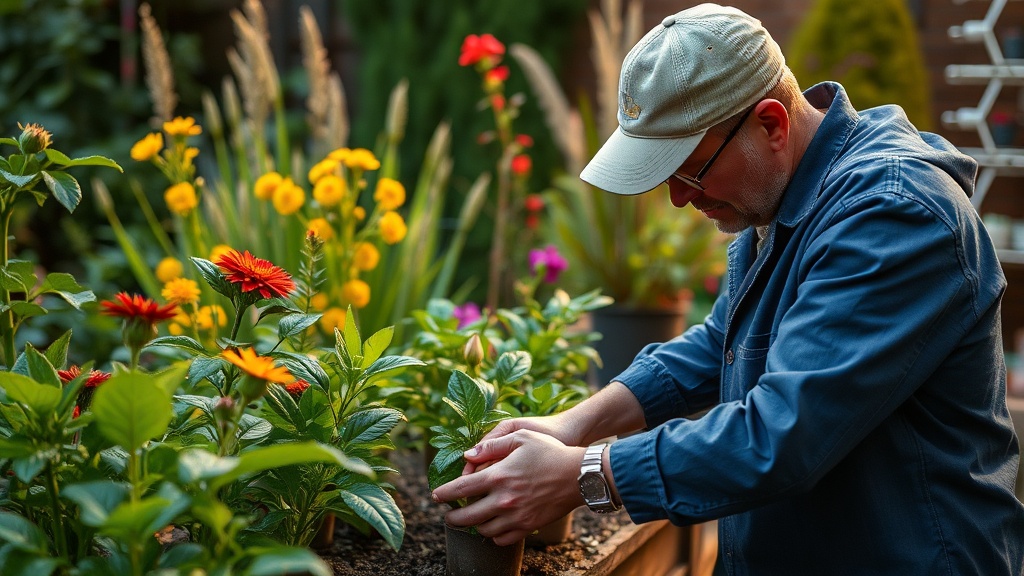
Quick Tips for Successful Garden & Plant Care

Taking care of your garden and plants isn't just about watering them regularly. It's a combination of knowledge, tools, and timing to ensure they thrive year-round. Here are some quick tips to improve your garden and plant care routine!
1. Know Your Plants
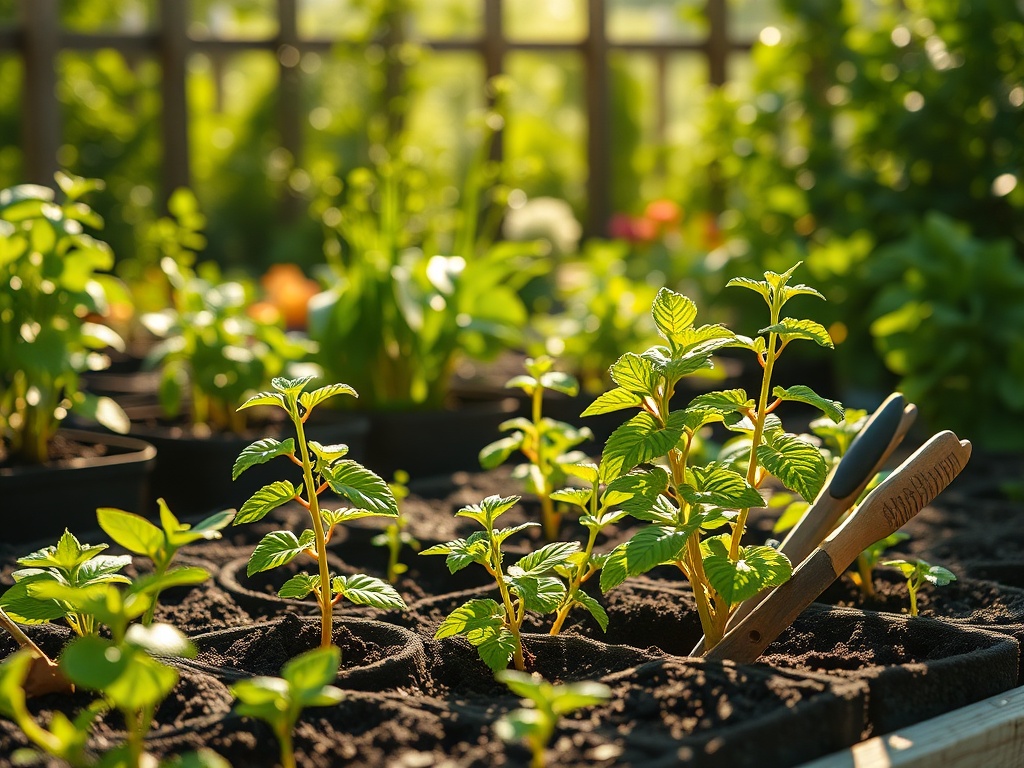
Each plant has its own needs. Make sure you're familiar with the requirements of the plants you're growing. Are they sun-loving or shade-preferring? Do they need well-draining soil or moisture retention? Knowing this will help you provide the best care for your plants.

2. Watering: The Right Amount
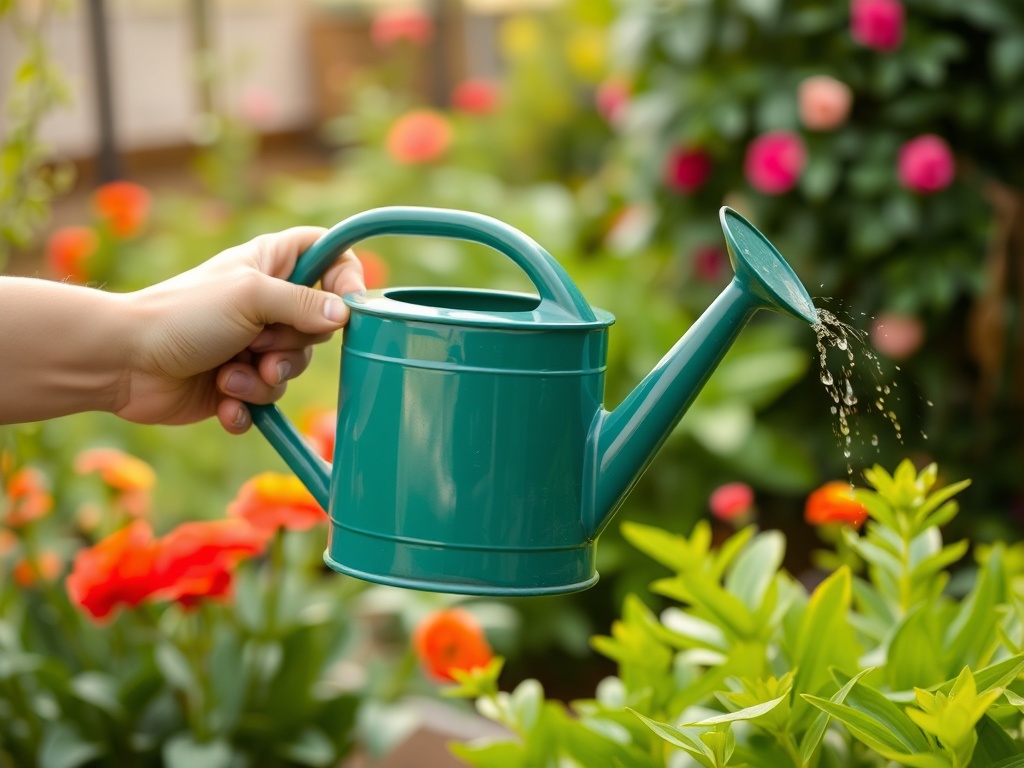
Watering is crucial, but not all plants need the same amount. Overwatering can lead to root rot, while underwatering can cause wilting. Check the soil moisture before watering. A good rule of thumb: water deeply and infrequently to encourage strong root growth.
3. Keep the Soil Healthy
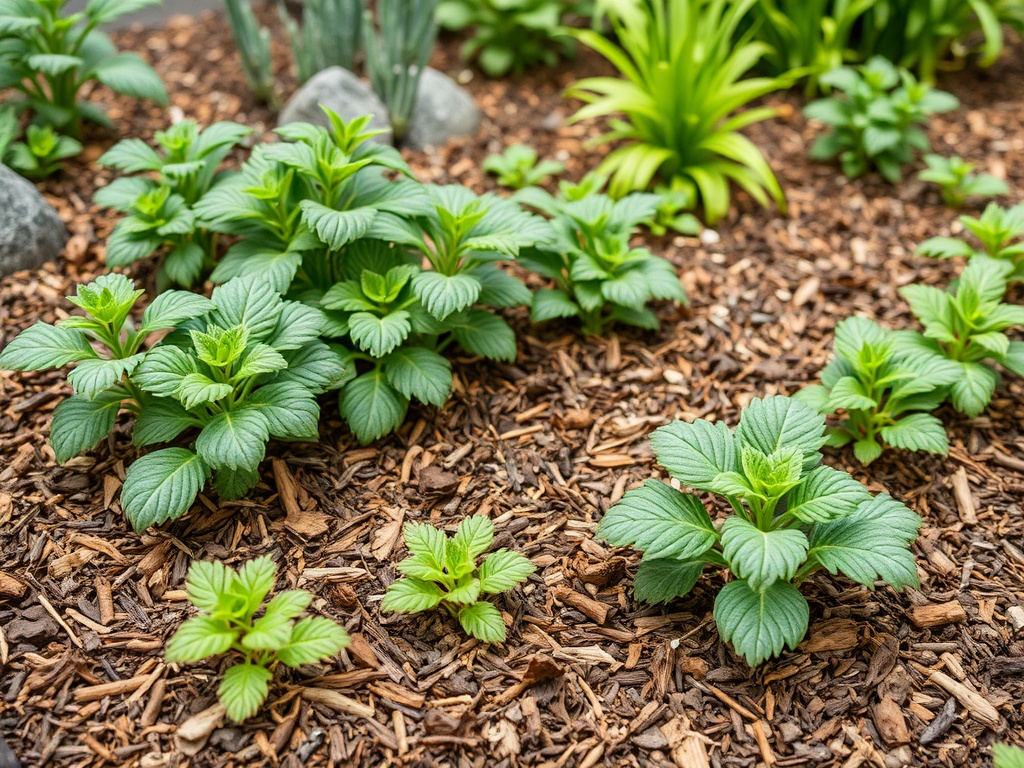
The soil is where your plants get their nutrients, so it's essential to keep it healthy. Add organic compost or mulch to enrich the soil and maintain moisture levels. Regularly check for compaction and aerate it to ensure oxygen can reach the roots.

4. Pruning and Deadheading
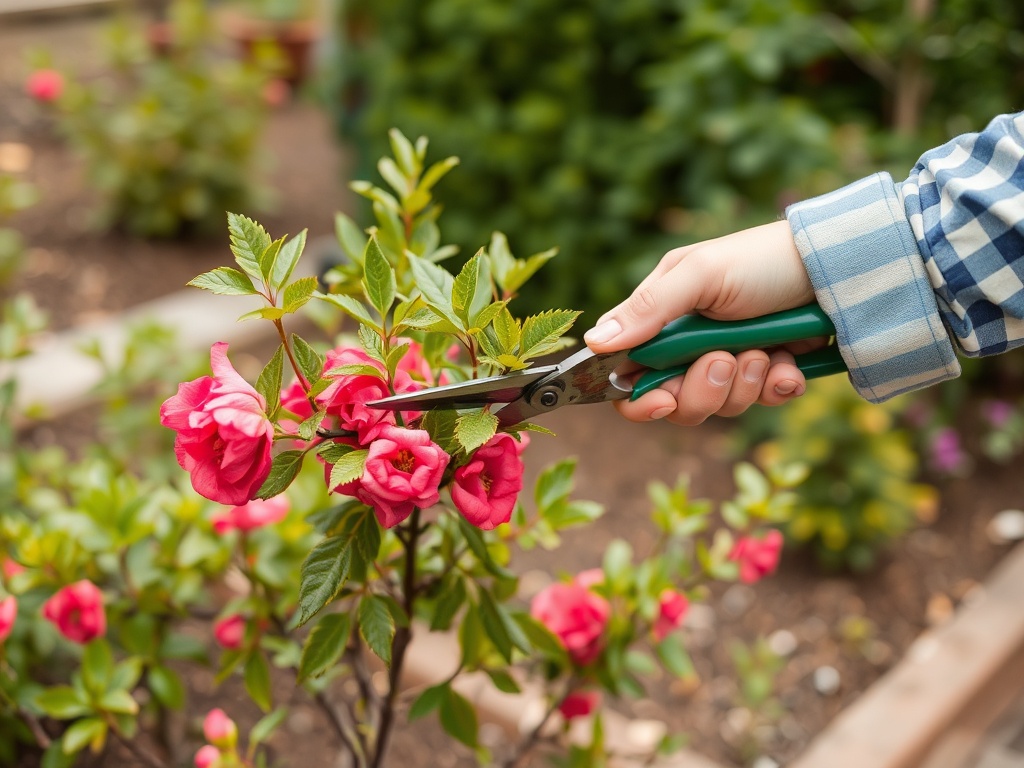
Regular pruning helps remove dead or diseased parts of your plants, encouraging new growth. Deadheading, or removing spent flowers, promotes better blooms and prevents your plants from expending energy on seed production.
5. Protect Against Pests
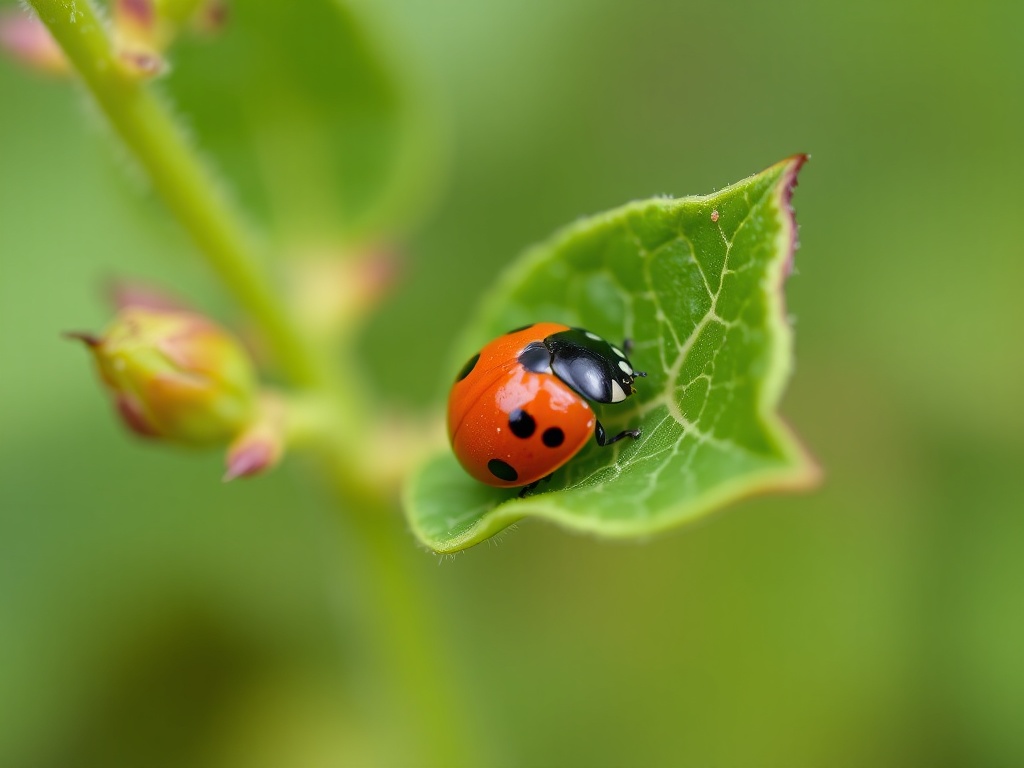
Always inspect your plants for signs of pests, like discolored leaves or tiny holes. Use natural remedies like neem oil or introduce beneficial insects like ladybugs to help keep pests at bay.
6. Seasonal Adjustments
Gardens need different care as the seasons change. In the fall, focus on preparing your plants for winter by mulching and cutting back dead growth. In the spring, ensure your plants are ready for the growing season by pruning and fertilizing.
Conclusion
Garden and plant care can be a fun and rewarding experience with the right knowledge and tools. By following these quick tips, you'll be well on your way to a lush and thriving garden!