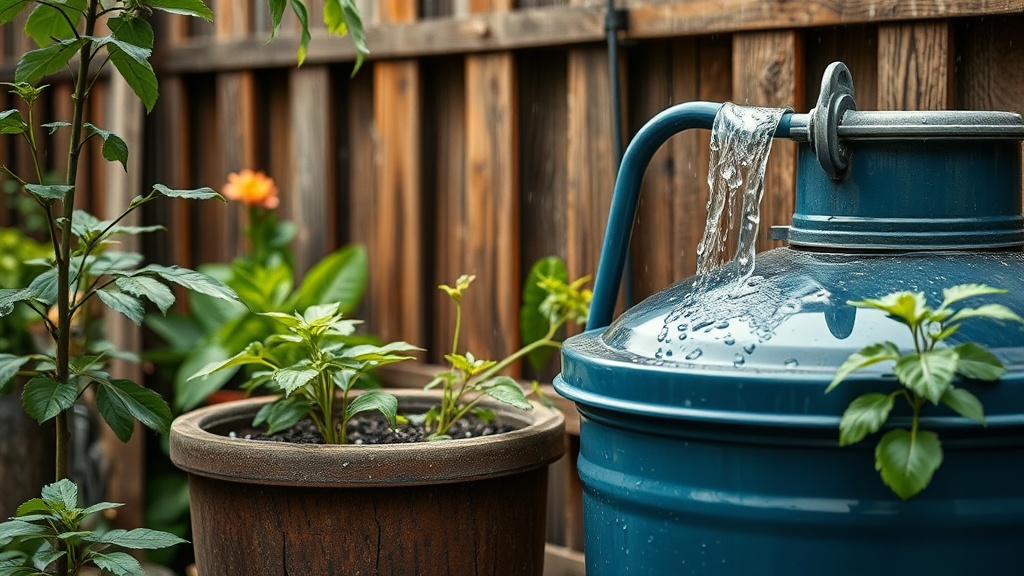
Rainwater Harvesting: A Complete Guide to Sustainable Garden Water Collection

Rainwater harvesting transforms free rainfall into a reliable irrigation source for gardens, cutting municipal water bills by up to 50% while reducing stormwater runoff. This guide covers everything from basic barrel setups to advanced cistern systems, legal considerations across different states, and practical maintenance tips that keep collected water clean and ready for plants.
What Is Rainwater Harvesting and How Does It Work?
Rainwater harvesting captures precipitation from roofs and other surfaces, storing it for later use. The concept isn't new — ancient civilizations in Mesopotamia and Rome collected rainfall in cisterns. Modern systems are simpler.
Here's the thing: most home setups follow a straightforward path. Rain hits the roof, flows through gutters, passes through a mesh screen to filter debris, and drops into a storage container. A spigot at the bottom lets gravity do the work of distributing water where needed.
The catch? Not all rainwater is created equal. Water collected from asphalt shingle roofs contains more contaminants than water from metal or tile roofs. For vegetable gardens, first-flush diverters — devices that discard the initial rainfall containing the highest concentration of roof debris — make sense. The Environmental Protection Agency notes that properly collected rainwater is suitable for most irrigation purposes without treatment.
For Detroit homeowners (and others in four-season climates), winterization matters. Disconnect barrels before the first freeze, drain all lines, and store containers upside-down. Polyethylene barrels crack when frozen water expands — a costly mistake many first-timers learn the hard way.
What Equipment Do You Need for Home Rainwater Collection?
Basic rainwater harvesting requires four components: a collection surface (usually a roof), gutters and downspouts, a screen or filter, and a storage container.
Storage options range from simple 50-gallon rain barrels to 1,500+ gallon above-ground cisterns. The Fiskars Salsa Rain Barrel holds 58 gallons and includes a flat-back design that sits flush against house walls — practical for tight Detroit lot lines. For larger gardens, the Good Ideas Impressions 50-Gallon Palm Rain Saver offers UV-resistant construction that won't fade or crack after three seasons of Michigan sun.
| Container Type | Capacity | Best For | Price Range |
|---|---|---|---|
| Standard Rain Barrel | 40-60 gallons | Small flower beds, container gardens | $80-$150 |
| Slim Wall-Mounted | 100-200 gallons | Urban lots with limited space | $200-$400 |
| Above-Ground Cistern | 500-2,000 gallons | Large vegetable gardens, drought backup | $500-$2,500 |
| Underground System | 1,000+ gallons | Whole-property irrigation, cold climates | $3,000-$10,000+ |
Worth noting: dark-colored or opaque containers prevent algae growth. Clear tanks might look attractive, but green water isn't what gardeners want.
Accessories make the difference between a functional system and a frustrating one. Downspout diverters (the Oatey Mystic Rainwater Diverter runs about $35) automatically direct water to the barrel until full, then switch back to regular drainage. Mosquito screens are non-negotiable — standing water breeds problems within days.
Is It Legal to Collect Rainwater in Your State?
Rainwater harvesting is legal in all 50 states, but regulations vary significantly regarding how much you can collect, what you can use it for, and whether permits are required.
Colorado once restricted collection to 110 gallons total — they've since loosened restrictions, though permits apply for larger systems. Texas actively encourages rainwater harvesting through tax exemptions. The Natural Resources Defense Council maintains updated information on state-by-state regulations that change frequently.
Local ordinances sometimes override state permissiveness. Some Detroit suburbs restrict visible containers in front yards. Homeowners' associations might ban rain barrels entirely (though that's changing as water conservation gains popularity).
That said, don't let paperwork stop initial research. A quick call to the municipal building department clarifies most questions. Most residential setups under 500 gallons require no permits whatsoever.
How Do You Keep Collected Rainwater Clean and Safe for Plants?
Clean rainwater requires minimal maintenance — about 30 minutes monthly during growing season.
Start with the roof. Clean gutters twice yearly, more often if surrounded by deciduous trees. A single maple tree can dump surprising debris after autumn storms. Mesh screens over downspouts catch leaves before they enter barrels.
Algae prevention matters more than most beginners expect. Keep barrels sealed — light feeds algae, and open containers become greenhouses for unwanted growth. If algae appears anyway (it happens), a quarter cup of bleach per 50 gallons won't harm plants and clears the problem.
Standing water attracts mosquitoes. Fine mesh screens (window screen material works) over all openings eliminate breeding grounds. Some gardeners add Mosquito Dunks — donut-shaped biological larvicides that kill mosquito larvae without affecting plants, pets, or beneficial insects.
Here's the thing about water quality: rainwater is naturally soft — no minerals, no chlorine. That's great for acid-loving plants like blueberries and azaleas. But it lacks calcium and magnesium found in tap water. Container gardens watered exclusively with rainwater occasionally need supplemental fertilizer since they're not getting those trace minerals from soil.
Seasonal Maintenance Checklist
- Spring: Inspect barrels for cracks, reconnect winterized systems, clean gutters
- Summer: Check mosquito screens weekly, monitor water levels during dry spells
- Fall: Clean gutters frequently, install leaf guards, prepare overflow paths
- Winter: Drain completely, store barrels upside-down, disconnect diverters
How Much Rainwater Can You Actually Collect?
Collection potential depends on roof area and local rainfall. The math is straightforward: 1 inch of rain on 1,000 square feet of roof yields approximately 600 gallons of water.
A typical 1,200-square-foot roof in Detroit (annual rainfall around 33 inches) could theoretically harvest nearly 24,000 gallons annually. Reality reduces that — some rainfall gets absorbed by roofing materials, first-flush diverters waste initial runoff, and winter freezes halt collection for months.
Even conservative estimates impress. That same Detroit roof with 70% collection efficiency still yields 13,000+ usable gallons. For context, a vegetable garden requires roughly 1 inch of water weekly — about 0.6 gallons per square foot. A 500-square-foot garden needs 300 gallons weekly during peak summer.
The catch? Storage limits practical collection. A 50-gallon barrel fills fast during spring storms but empties quickly during August droughts. Multiple barrels connected in series (daisy-chained with overflow hoses) extend capacity without requiring massive single containers.
Smart Ways to Use Harvested Rainwater in the Garden
Rainwater works everywhere regular water does — but some applications shine especially bright.
Container gardens benefit enormously. Potted plants dry out faster than in-ground plantings, requiring frequent watering. Rainwater's neutral pH (typically 5.5-6.5) suits most container plants better than mineral-heavy tap water that can cause salt buildup in potting mix.
Seed starting demands gentle moisture. Municipal water often contains chlorine and chloramine that can inhibit germination. Rainwater contains natural nitrogen compounds (captured from atmospheric reactions during storms) that give seedlings a subtle boost.
Compost piles need consistent moisture to decompose properly. Tap water works, but rainwater is free and already at ambient temperature. Cold tap water can shock active compost piles, temporarily slowing bacterial activity.
That said, some limitations exist. Water collected from copper roofs or treated wood shingles isn't suitable for vegetable gardens — the metals and chemicals concentrate over time. Stick to asphalt, metal, or concrete tile roofs for edibles.
Detroit's "Garden Resource Program Collaborative" (GRPC) encourages rainwater harvesting through educational workshops at the Michigan Urban Farming Initiative and Keep Growing Detroit. These programs demonstrate large-scale community applications that individual homeowners can scale down.
Common Mistakes That Waste Water and Money
Beginners make predictable errors. The most expensive? Buying undersized barrels. A 50-gallon container sounds substantial until realizing it holds one afternoon's worth of moderate rain. Start with the largest barrel that fits the space — upgrading later means starting over.
Overflow management gets overlooked. Without a plan, full barrels dump water directly against foundations. That's bad for basements. Install overflow hoses that direct excess at least 6 feet from the house, preferably toward rain gardens or permeable surfaces.
Elevation matters more than expected. Barrels on the ground provide minimal water pressure — filling a watering can takes forever. Raising barrels 12-18 inches on cinder blocks or purpose-built stands creates enough gravity pressure for reasonable flow. For serious pressure (drip irrigation, sprinklers), pumps become necessary.
Ignoring maintenance schedules ruins systems. One clogged screen can overflow a barrel during heavy rain, creating foundation problems. Set phone reminders for monthly checks — it takes five minutes and prevents hours of remediation.
The Arbor Day Foundation recommends positioning rain barrels near the plants that need water most — seems obvious, but hauling water across large properties gets old quickly. Strategic placement near vegetable beds or perennial borders maximizes convenience.
Rainwater harvesting isn't complicated technology. It's buckets with brains. Start small, learn the rhythm of local rainfall patterns, and expand capacity as comfort grows. The first time a drought hits and the garden stays green while municipal restrictions tighten, the modest investment pays dividends that extend far beyond the water bill.