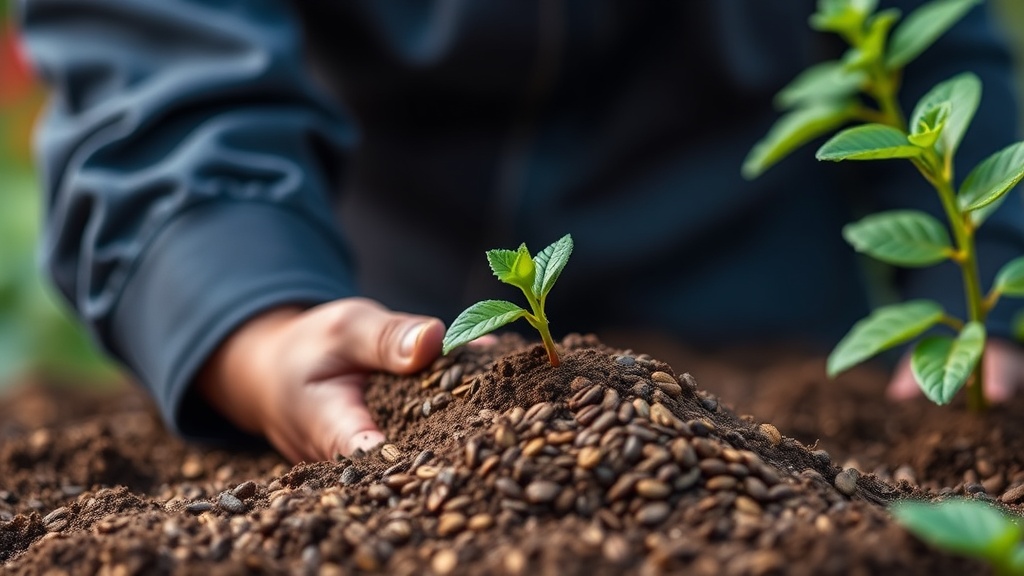
Use Coffee Grounds to Boost Your Garden Soil Naturally

Quick Tip
Sprinkle used coffee grounds directly around acid-loving plants like tomatoes, roses, and blueberries to give them a nitrogen boost and deter pests naturally.
Used coffee grounds can transform garden soil by adding nitrogen, improving drainage, and attracting beneficial microbes. This quick guide explains how to collect, prepare, and apply coffee grounds correctly—avoiding common mistakes that can harm plants.
Are Coffee Grounds Good for Garden Soil?
Yes—coffee grounds improve soil structure and provide a slow-release nitrogen source. Fresh grounds contain about 2% nitrogen by volume, plus potassium and phosphorus. That said, they're acidic (pH 5.5-6.5), so they work best for acid-loving plants like blueberries, azaleas, and hydrangeas.
The catch? Raw grounds can clump together, creating a water-repellent barrier. They also contain caffeine residue—which the EPA notes can suppress seed germination in sensitive plants. Composting them first solves both problems.
How Do You Prepare Coffee Grounds for the Garden?
Collect spent grounds from your morning brew (or ask at Starbucks—many locations give away free bags). Spread them on a baking sheet to dry for 24 hours. This prevents mold and makes storage easier.
Here's the thing: you have three application options depending on your setup:
| Method | Best For | Application Rate |
|---|---|---|
| Compost bin | All garden plants | 10-20% of total volume |
| Side-dressing | Established shrubs, trees | 1/2 inch ring, 6" from stems |
| Vermicomposting | Worm bins | 1 cup per week maximum |
Worth noting: Miracle-Gro garden specialists recommend mixing grounds with carbon-rich materials like dried leaves or shredded newspaper—this balances the carbon-to-nitrogen ratio and prevents that slimy, anaerobic mess nobody wants.
Which Plants Love Coffee Grounds?
Acid-loving perennials and vegetables thrive with coffee ground amendments. Tomatoes, roses, carrots, and radishes all respond well to the nutrient boost.
Don't dump grounds directly on seedlings—too strong. Instead, work one cup into the top inch of soil around mature plants monthly. For container gardens (Detroit's urban balconies included), mix two tablespoons into potting soil before planting.
Earthworms adore coffee grounds. Scatter dried grounds on the soil surface and watch worm activity increase within days—nature's own tilling service, free of charge.