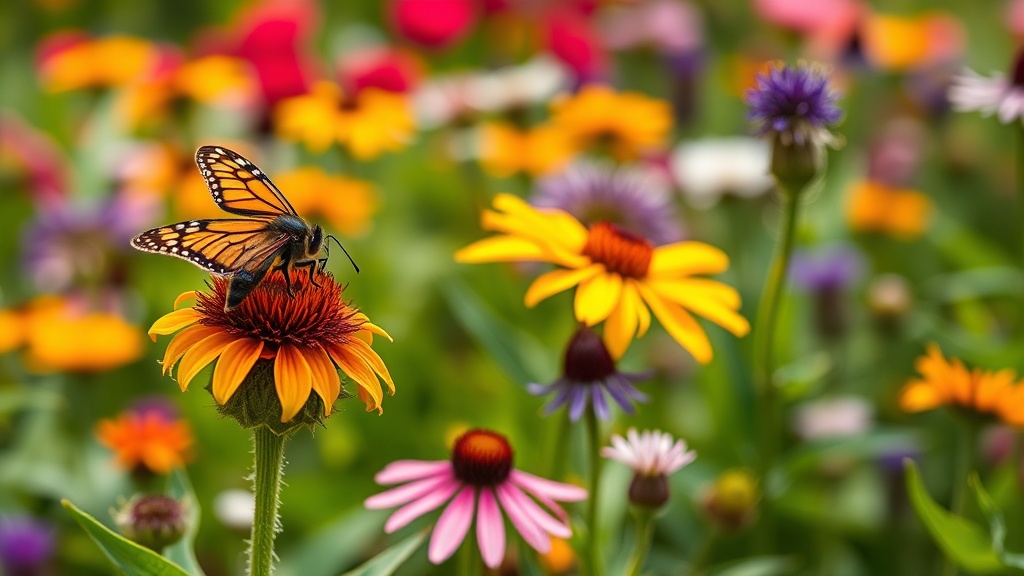
Building a Low-Maintenance Pollinator Sanctuary with Native Wildflowers

Many gardeners believe that a "natural" garden means a messy, high-maintenance jungle that requires constant weeding and intensive water-giving. This is a misconception. A well-planned pollinator sanctuary actually reduces your workload by working with your local ecosystem rather than against it. This guide explains how to select native species, prep your soil, and design a space that attracts bees, butterflies, and birds with minimal intervention.
The goal isn't just to plant flowers; it's to build a functional habitat. When you use plants that evolved in your specific region, they develop deep root systems and natural resilience. You'll spend less time fighting pests and more time enjoying the view.
What Are the Best Native Plants for Pollinators?
The best native plants for pollinators are those that provide nectar, pollen, and host capabilities for local insect life cycles. You should choose a mix of flowering perennials that bloom at different times throughout the spring, summer, and fall to ensure a continuous food source.
For example, if you live in the Midwest or Northeast, look for Echinacea purpurea (Purple Coneflower) or Asclepias tuberosa (Butterfly Weed). These aren't just pretty—they're heavy lifters for the local ecosystem. If you want to ensure your selections are truly local, I highly recommend checking the National Wildlife Federation's native plant finder. It's a reliable way to avoid buying invasive species that might look "wild" but actually harm your local environment.
I've found that a tiered approach works best. You need low-growing groundcovers, mid-height perennials, and perhaps a few taller shrubs. This creates a structural variety that different insects can use. It's not just about the flowers; it's about the architecture of the garden.
A Comparison of Common Native Plant Types
| Plant Type | Maintenance Level | Primary Benefit | Example Species |
|---|---|---|---|
| Perennials | Low | Continuous nectar source | Milkweed, Coneflower |
| Shrubs | Very Low | Shelter and nesting | Serviceberry, Elderberry |
| Grasses | Low | Soil stabilization | Little Bluestem |
Don't forget that grasses are part of the "wild" look. They provide cover for beneficial insects during the winter months. (And let's be honest, they look great even when they aren't blooming.)
How Do I Prepare My Soil for Native Plants?
You prepare your soil by minimizing heavy fertilization and focusing on organic matter that mimics the natural ground of your region. Native plants are often adapted to "poor" soil, so if you over-amend with high-nitrogen fertilizers, you might actually endate the very plants you're trying to grow.
The biggest mistake I see is people digging up their entire yard and adding expensive, store-bought topsoil. Most native species prefer the soil they are already in. If your soil is incredibly compacted, you might need to aerate it, but avoid the temptation to "fix" it with too much compost. You want to keep the soil structure intact. This is similar to the philosophy behind growing drought-resistant plants—the goal is to work with what the land provides.
Follow these steps for a successful setup:
- Clear the area: Remove existing turf grass and any invasive weeds. Don't just layer plants on top of grass; they won't stand a chance.
- Assess sunlight: Observe your yard for a full day. Does the spot get six hours of sun? That determines if you're planting sun-loving milkweed or shade-tolerant ferns.
- Add minimal organic matter: If your soil is pure sand or heavy clay, add a thin layer of compost, but don't go overboard.
- Mulch wisely: Use wood chips or leaf mulch to keep moisture in while the new plants establish themselves.
Once these plants are established, they'll rarely need much help from you. That's the beauty of it. You're building a system, not just a garden.
How Much Does a Native Pollinator Garden Cost?
The cost of a native pollinator garden varies depending on whether you buy mature plants or start from seed, but it is generally more cost-effective over the long term than traditional landscaping. You can start with a few high-impact perennials and slowly expand each year.
Buying seeds is the most budget-friendly option, but it requires more patience. You'll need to wait for germination and potentially deal with more weeds in the early stages. Buying "plugs"—which are small, young plants—is a great middle ground. They are much cheaper than the large, potted perennials you find at big-box stores but have a much higher success rate than seeds.
Here is a rough breakdown of what to expect for a small 10' x 10' section:
- Seed-based approach: $20 - $50 (plus time and patience).
- Plug-based approach: $150 - $300 (faster results, moderate cost).
- Established Perennial approach: $500+ (instant impact, higher upfront cost).
If you're on a tight budget, I suggest looking at the local nurseries in your area. They often have native-specific selections that are much more reliable than the generic stuff found at national chains. It's worth the extra trip to ensure you're getting the right genetics for your specific climate.
It's also worth noting that a native garden can actually save you money on water bills. Because these plants are adapted to your local rainfall patterns, you won't be running the sprinkler system every Tuesday afternoon. That's a win for your wallet and the local water table.
When you're deciding on your layout, think about the "flow." You don't want a rigid, formal look. Native plants tend to grow in drifts. Instead of planting one of everything, plant groups of three or five of the same species. This creates a more natural, cohesive appearance that pollinators actually prefer.
If you're worried about the "wild" look being too unkempt, try using a hard edge. A clean stone path or a well-defined wooden border (perhaps even something you made by repurposing old wooden pallets) can frame the area. It tells the neighbors, "This isn't a weed patch; it's a deliberate habitat."
One final tip: don't be too quick to clean up in the fall. Many of our most helpful pollinators, like certain species of bees and butterflies, overwinter in the hollow stems of dead plants or under leaf litter. If you "tidy up" too early, you might be removing the very homes they need to survive the winter. Leave the stalks standing until the spring thaw. It's a small way to make a huge difference.
Steps
- 1
Research Local Native Species
- 2
Prepare the Soil Organically
- 3
Seed Sowing and Planting
- 4
Establish a Minimal Intervention Maintenance Routine