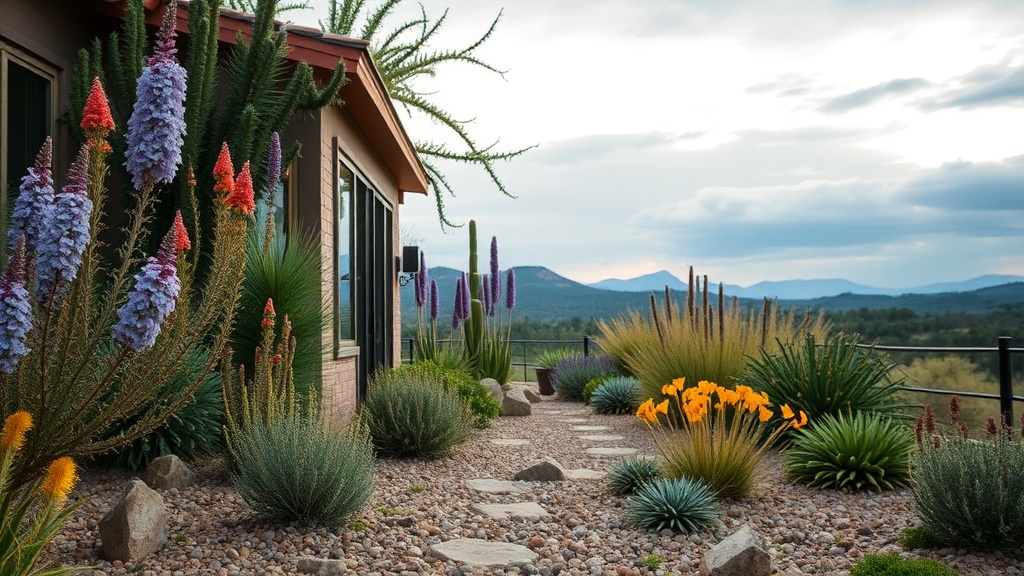
Seven Drought-Resistant Plants for a Thriving Xeriscape

Lavender for Fragrance and Resilience
Agave for Structural Beauty
Sedum for Groundcover
Russian Sage for Texture
Yucca for Striking Form
Blue Fescue for Color
Coneflower for Pollinators
The sun beats down on a patch of parched, cracked earth where a lush lawn used to be. There's no sound of a sprinkler clicking on in the distance, just the low hum of a summer afternoon. This post explores seven specific plant varieties that thrive with minimal water, helping you build a xeriscape that stays green even when the rain stops. Choosing the right plants isn't just about saving water; it's about building a resilient outdoor space that works with your local climate instead of fighting against it.
What is a Xeriscape?
A xeriscape is a type of landscaping design that focuses on water conservation through the use of drought-tolerant plants and efficient irrigation. It isn't just a "dry garden"—it's a thoughtful arrangement of textures, colors, and structures that require very little supplemental water once established. Instead of a high-maintenance grass lawn that demands constant attention, you're creating a self-sustaining ecosystem.
Most people think xeriscaping means a bunch of rocks and sand. That's a misconception. You can have a stunning, vibrant garden that uses a fraction of the water a traditional yard requires. It's about being smart with your resources. If you're already working on improving your yard's efficiency, you might want to look into creating a regenerative rain garden to catch runoff when it actually does rain.
The goal is to reduce your reliance on the municipal water supply. In many parts of the country, water restrictions are becoming a standard part of summer living. Being prepared now means you won't be scrambling when the local authorities announce a drought advisory.
7 Drought-Resistant Plants for Your Garden
Here are seven reliable plants that can handle heat and neglect while still looking great in your garden beds.
1. Lavender (Lavandula)
Lavender is a perennial herb that loves full sun and well-draining soil. It produces fragrant purple spikes that attract pollinators like bees and butterflies. It's a hardy plant, but it hates "wet feet"—meaning if your soil stays soggy, the roots will rot. I personally love using English Lavender for its classic look, but French Lavender works well if you want a slightly different scent profile.
2. Sedum (Stonecrop)
Sedum is a succulent that stores water in its fleshy leaves, making it incredibly tough. These plants come in various heights and colors, from deep greens to bright reds. They are virtually indestructible. If you forget to water them for a week or two, they won't even notice. They're perfect for rock gardens or as groundcover in tight spaces.
3. Russian Sage (Perovskia atriplicifolia)
This plant offers a misty, silvery-blue texture that adds a lot of movement to a garden. It's incredibly drought-tolerant once it gets established. The wispy stems and tiny flowers provide a beautiful backdrop for sturdier plants. Just be aware that it can get quite large, so give it some breathing room in your garden layout.
4. Blue Fescue (Festuca glauca)
If you want a grass that doesn't need constant mowing or heavy watering, Blue Fescue is your best friend. It grows in neat, tidy tufts of blue-gray blades. It adds a striking structural element to a garden bed. It’s a small plant, so it's great for borders or even container gardening.
5. Coneflower (Echinacea)
Coneflowers are a staple for any pollinator-friendly garden. They are native to many parts of North America and can handle heat and dry spells with ease. They produce large, prominent flowers that provide a focal point. Plus, they're great for the birds in the late fall once the petals have faded.
6. Yucca
Yucca provides a bold, architectural look that is hard to beat. These plants are the definition of "tough." They have stiff, pointed leaves and can thrive in even the harsied soil conditions. They aren't just for deserts, though—they add a high-end, sculptural feel to modern landscapes.
7. Agave
Agave plants are stunning, sculptural succulents that command attention. They grow slowly, which means you won't have to worry about them overtaking your entire garden overnight. They are incredibly efficient at storing water, making them a top-tier choice for true xeriscaping. Just be careful with the placement—some varieties have very sharp edges.
| Plant Name | Sun Requirement | Water Needs | Best Use |
|---|---|---|---|
| Lavender | Full Sun | Low | Edging/Aromatic borders |
| Sedum | Full Sun/Partial | Very Low | Groundcover/Rock gardens |
| Russian Sage | Full Sun | Low | Backdrop/Texture |
| Blue Fescue | Full Sun | Low | Border/Accent |
| Coneflower | Full Sun/Partial | Moderate (once established) | Pollinator gardens |
| Yucca | Full Sun | Very Low | Structural focal point |
| Agave | Full Sun | Very Low | Modern/Architectural accents |
How Much Does a Xeriscape Cost?
The upfront cost of a xeriscape can vary significantly depending on whether you're buying mature plants or starting from seeds. While it might seem more expensive to buy larger, established plants from a nursery, you're actually investing in the longevity of your garden. A small, cheap plant might die if you don't tend to it, whereas a well-chosen, high-quality plant will thrive. Most of the plants listed above are relatively affordable and can be found at most major garden centers or through specialized nurseries like Wikipedia's overview of xeriscaping resources and botanical suppliers.
Think of it this way: you're spending more now to spend much less later on your water bill. A traditional lawn requires constant fertilizer, mowing, and heavy irrigation. A xeriscape is a one-time investment in a much more stable, low-maintenance system. You'll also save money on tools and replacement plants because these varieties are built to last. It's a way to spend your money on things that actually stay in the ground.
One thing to keep in mind is that "low maintenance" doesn't mean "no maintenance." You'll still need to prune occasionally and keep an eye out for pests. But the sheer volume of labor and water you'll save is massive. If you're looking to brighten up your outdoor space without breaking the bank, consider combining these plants with some DIY projects. For example, repurposing old wooden pallets into chic outdoor furniture is a great way to add style to your new garden without a high-end price tag.
Are Drought-Resistant Plants Hard to Grow?
No, drought-resistant plants are generally much easier to grow than traditional garden varieties because they are adapted to harsh conditions. The trick is in the beginning. When you first plant them, they still need regular water to help their root systems establish themselves. Once they've settled in, you can back off significantly. It's all about the transition period.
The most common mistake is overwatering. Because these plants are designed to hold water, giving them too much can actually be harmful. If you see the soil staying damp for days on end, you're likely watering too often. It's better to let the soil dry out a bit between waterings. This encourages the roots to grow deeper into the earth in search of moisture, which makes the plant even more resilient in the long run.
You'll also want to pay attention to your soil quality. Most of these plants prefer well-draining soil. If you have heavy clay, you might want to mix in some sand or organic matter to help with drainage. A good mulch layer is also a huge help. It keeps the ground temperature stable and prevents too much moisture from evaporating. Just don't pile it too close to the stem or base of the plant, as that can cause rot.
If you're worried about the look of your garden during the "off" seasons, remember that many of these plants, like Coneflower or Blue Fescue, still provide beautiful texture even when they aren't in full bloom. The structure they provide is part of the aesthetic. It's a different kind of beauty—one that feels more natural and less manicured.
When you're setting up your garden, don't forget the lighting. A well-lit garden is much more usable at night. I've found that using solar powered pathways can really make these structural plants pop after the sun goes down. It adds a layer of depth to the garden that you just can't get with standard porch lights.