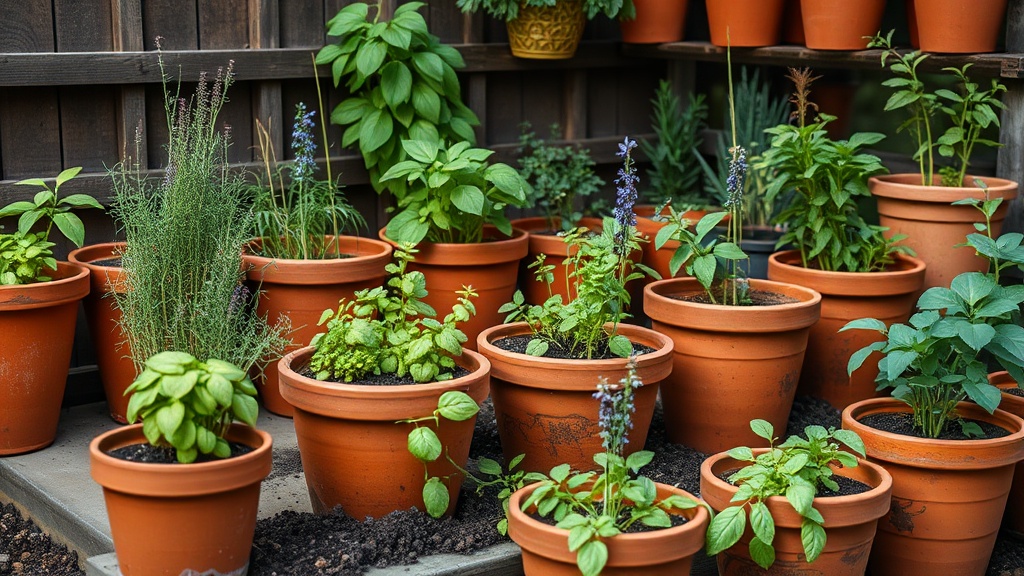
Building a Low-Water Herb Garden with Terracotta Pots

You want fresh basil for your pasta or rosemary for your roasted potatoes, but you don't want to spend half your morning hauling a hose around or worrying about a water bill spike. This guide explains how to build a low-water herb garden using terracotta pots, a method that relies on the natural porosity of clay to manage moisture levels efficiently. We’ll look at the right soil mixes, which herbs thrive in dry conditions, and how to set up a system that works with nature rather than against it.
Terracotta is a fantastic tool for water-conscious gardeners. Because it's a porous material, it allows for much better airflow to the roots than plastic or glazed ceramic. It breathes. This means you won't end up with that nasty root rot that usually kills off indoor herbs when you overwater them (a mistake I've made more than a few times).
Why Use Terracotta Pots for Herbs?
Terracotta pots help prevent overwatering by allowing excess moisture to evaporate through the sides of the container. This natural evaporation process regulates the moisture levels in the soil, creating a more stable environment for drought-tolerant herbs. While plastic pots trap moisture—often leading to soggy, suffocating roots—clay keeps things balanced.
The physics here is actually pretty simple. When the soil gets too wet, the water moves through the clay walls. This is great for herbs like Thyme or Oregano that hate "wet feet." If you've ever tried setting up a self-watering container garden, you know that moisture control is the hardest part of small-scale gardening. Terracotta solves this by being a "smart" container that reacts to the environment.
A few things to keep in mind before you start buying pots:
- Weight: Terracotta is heavier than plastic, so make sure your balcony or shelf can handle the load.
- Salt buildup: Over time, you might see white mineral deposits on the outside. It's not a disaster; it's just natural.
- Cracking: If you live in a climate with heavy freezes (like Detroit), make sure you get high-fired clay or bring them inside for winter.
Which Herbs Grow Best in Low-Water Conditions?
Mediterranean herbs like Rosemary, Thyme, Sage, and Oregano are the best choices for a low-water terracotta setup. These plants have evolved in rocky, dry climates and actually prefer a bit of stress rather than constant soaking. They thrive when the top inch or two of soil is dry to the touch.
I usually group my herbs by their "thirst level" to avoid confusion. If you put a water-loving Mint next to a drought-hardy Rosemary, one of them is going to suffer. It's better to keep them in separate pots.
| Herb Type | Sun Requirement | Water Needs | Ideal Terracotta Size |
|---|---|---|---|
| Rosemary | Full Sun | Very Low | Large (12"+) |
| Thyme | Full Sun | Low | Small to Medium |
| Sage | Full Sun | Moderate/Low | Medium |
| Oregano | Full Sun | Low | Small to Medium |
| Lavender | Full Sun | Very Low | Medium to Large |
Note that while these are "low-water" plants, they aren't "no-water" plants. They still need a drink! They just don't need a constant soak. If you're looking for more ideas on plant selection, check out these seven drought-resistant plants that work well in similar conditions.
How Much Does a Terracotta Herb Garden Cost?
A basic terracotta herb garden typically costs between $30 and $75 to start, depending on whether you buy seedlings or seeds. Most of this budget goes toward the pots and high-quality potting soil rather than the plants themselves. Seeds are incredibly cheap—sometimes just a couple of dollars—but they require more patience and a more controlled environment to get started.
Here is a rough breakdown of what you'll spend for a three-pot setup:
- Terracotta Pots: $15–$30 (depending on size and whether you want unglazed or decorative).
- High-Quality Potting Mix: $10–$15 (don't skimp here; use a mix with plenty of perlite or sand).
- Herb Seedlings: $12–$20 (buying established plants saves a lot of headache).
- Organic Fertilizer: $5–$10 (a slow-release option is best).
If you want to save money, look for "seconds" at local nurseries or check thrift stores. Often, you can find beautiful, sturdy terracotta pots that just need a good scrubbing with a vinegar solution to be perfectly safe for your herbs. It's a great way to keep the budget down while being more sustainable.
How Do I Prepare the Soil for Terracotta Pots?
The best soil for a terracotta herb garden is a well-draining, sandy loam or a specialized "cactus and succulent" mix. You want to ensure the soil doesn't stay compacted, as this prevents oxygen from reaching the roots. Adding extra grit or perlite is a smart move to ensure water moves through the pot quickly.
Don't just grab the cheapest bag of garden soil from the big-box store. Most standard garden soils are too heavy and hold too much organic matter, which can lead to mushy roots in a clay pot. Instead, look for a mix that feels "loose." If you can, check the Wikipedia page for potting soil to understand the different components like peat moss or coco coir that help with aeration.
Here is my preferred way to prep the pot:
- Step 1: Place a small piece of mesh or a coffee filter over the drainage hole. This prevents soil from washing out but still lets water pass through.
- Step 2: Fill the bottom third of the pot with your soil mix.
- Step 3: Add your herb, ensuring the top of the root ball sits about an inch below the rim of the pot.
- Step 4: Fill the rest of the pot and press the soil down gently—not too hard! You want to leave air pockets.
One thing I've learned the hard way: if you use too much organic compost in a terracotta pot, the plant might grow too fast and then crash when the water dries out. It's a delicate balance. You want enough nutrients to grow, but not so much that the soil becomes a soggy sponge.
Once your herbs are in, place them in a spot that gets at least six hours of direct sunlight. Most Mediterranean herbs are sun-worshippers. If they don't get enough light, they'll get "leggy"—tall, thin, and weak—and they won't produce nearly as much flavor in their leaves.
Monitoring your plants is easy once you get the hang of it. Stick your finger into the soil up to the second knuckle. If it feels dry, it's time to water. If it feels damp, leave it alone. In a terracotta pot, you'll likely find yourself watering less frequently than you would with plastic, which is exactly what you want for a low-maintenance garden. This is a much more sustainable way to grow food, even in a small apartment or a tiny backyard. It's about working with the natural rhythm of the plant rather than trying to force a specific schedule on it.
Steps
- 1
Select Drought-Tolerant Herbs
- 2
Prepare Drainage Layers
- 3
Potting with Organic Soil
- 4
Strategic Watering Techniques