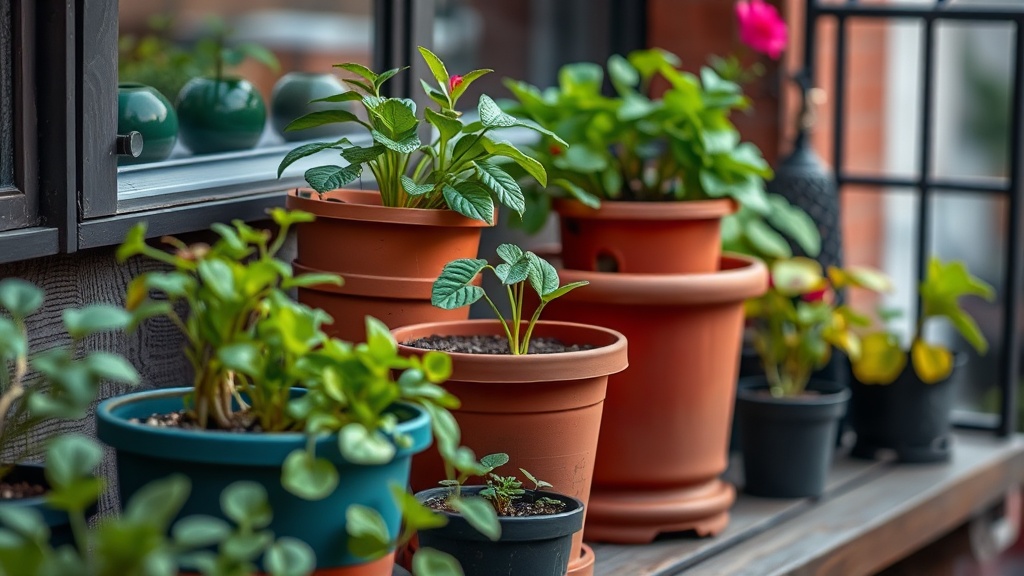
Setting Up a Self-Watering Container Garden for Small Balconies

Over 60% of urban residents live in apartments with limited access to ground-level soil, yet high-rise balconies offer a massive opportunity for food production. This guide explains how to set up a self-watering container system to automate your irrigation, reduce water waste, and keep plants alive during heatwaves. We'll look at the mechanics of sub-irrigation, the best materials for small spaces, and how to choose the right plants for your specific balcony microclimate.
What is a Self-Watering Container?
A self-watering container is a vessel that uses a reservoir at the bottom to provide moisture to plants through capillary action. Instead of pouring water over the top of the soil, the plant "drinks" from a water level kept below the root zone. This method prevents the common problem of over-watering or under-watering—a frequent headache for balcony gardeners.
Most of these systems use a wicking mechanism. This can be a fabric wick or a specialized "water wicking" soil layer that sits in a reservoir. It's a much more efficient way to manage hydration. You aren't just dumping water on the surface; you're building a consistent moisture environment.
There are two main types of setups you'll encounter:
- Sub-irrigation planters (SIPs): These are pre-made containers with a built-กัน built-in reservoir, like those from Lechuza or Greenhouse Megatop.
- DIY Wicking Buckets: These are often made from repurposed food-grade buckets or even standard heavy-duty plastic bins with a custom-drilled wicking system.
If you're a beginner, I'd suggest starting with a pre-made system. It's much easier than trying to engineer a perfect seal on a DIY bucket. That said, if you're feeling adventurous, a DIY approach is much cheaper in the long run.
How Much Does a Self-Watering Garden Cost?
The cost of a self-watering balcony garden typically ranges from $30 to $150 per container depending on whether you buy a professional brand or build it yourself. For a small-scale setup with three or four medium-sized planters, you're looking at an initial investment of roughly $150 to $400. This includes the containers, high-quality potting mix, and your initial seedlings.
Here is a breakdown of the typical expenses you'll face:
| Item | Estimated Cost (Low) | Estimated Cost (High) |
|---|---|---|
| Pre-made SIP Planters | $25 (Generic) | $80 (Premium/Lechuza) |
| Potting Mix (High Quality) | $15 | $40 |
| $5 | $20 | |
| Organic Fertilizer | $10 | $25 |
Don't forget to account for the weight. If you're on a high-rise balcony, you need to be mindful of the load-bearing capacity of your structure. Water is heavy—really heavy. A full reservoir can add significant weight to your balcony floor. I've seen people underestimate this and end up with much more than a little puddle. Check your building's guidelines before you go overboard.
Which Plants Work Best in Self-Watering Containers?
Vegetables and leafy greens that require consistent moisture, such as tomatoes, peppers, lettuce, and herbs, thrive best in these systems. Because the water supply is steady, you avoid the "stress cycles" that cause tomatoes to crack or lettuce to turn bitter. It's a huge advantage for urban growers who can't be home every day to water.
However, not every plant wants a constant drink. You shouldn't use these for succulents or cacti—they'll rot in a heartbeat. You want plants that love a steady, predictable environment.
Here are my top recommendations for balcony success:
- Leafy Greens: Spinach, kale, and loose-leaf lettuce. These are perfect because they have shallow roots and love the constant moisture.
- Herbs: Basil, parsley, and mint. Mint is particularly aggressive (it's a bit of a bully in the garden), so it's great for a dedicated container.
- Fruiting Vegetables: Cherry tomatoes and bell peppers. These benefit from the steady hydration to prevent blossom end rot.
- Flowers: Begonias and Fuchsias. These look stunning in a balcony setting and appreciate the controlled watering.
If you're looking to add more variety to your greenery, you might want to look into building a low-maintenance pollinator sanctuary. Adding native flowers alongside your vegetables helps bring bees and butterflies to your balcony, which in turn helps your vegetables produce more fruit.
One thing to watch out for is the nutrient density. Because the water is being pulled up from a reservoir, you can actually leach nutrients out of the soil over time. You'll need to add a liquid organic fertilizer occasionally to keep the soil "alive."
How Do I Set Up a DIY Wicking System?
To build a DIY wicking system, you need a container, a way to create a reservoir, and a wicking material like cotton rope or a fabric strip. The most common method involves a "false bottom" or an elevated platform that keeps the soil separated from the water reservoir.
First, grab a heavy-duty plastic bin or a 5-gallon bucket. You'll need to create a divider. Many people use a perforated plastic tray or a specialized "pot-in-pot" setup. This divider keeps the soil from falling into the water reservoir.
Next, you'll need your wicks. I've had great success using thick cotton ropes or even strips of old, 100% cotton t-shirts. These act as the bridge between the water and the soil. Ensure the wick extends from the bottom of the water reservoir all the way up into the middle of your soil bed.
Third, the soil is everything. Do not use garden soil from the ground. It's too heavy and will compact, which eventually chokes the wicking action. You need a high-quality, peat-free potting mix. A mix containing perlite or vermiculite is ideal because it maintains aeration.
Here is the step-by-step assembly order:
- Drill small holes in the side of your container just above the intended water line to allow for overflow.
- Place your wicking material (the rope or fabric) so it hangs into the bottom section.
- Add a layer of gravel or a specialized wicking platform to hold the soil up.
- Fill the top section with your potting mix, ensuring the wicks are deeply embedded in the soil.
- Fill the bottom reservoir with water through the overflow hole or a dedicated fill tube.
It's a bit of a process, but once it's done, you'll forget you even have to water. It's incredibly satisfying to watch your plants thrive while you're busy doing other things. Just make sure you check the reservoir level once a week to ensure it isn't bone dry.
For more detailed plant care advice, you can always check out my quick tips for successful garden & plant care. It covers the basics that apply to almost any container setup.
One thing to remember: the quality of your water matters. If you're using hard tap water, the mineral buildup in your reservoir might eventually clog the wicking mechanism. It's not a dealbreaker, but it's something to keep an eye on if your plants start looking a bit stunted. If you notice a buildup, a quick rinse of the reservoir and a fresh batch of water usually does the trick.
If you find yourself with a lot of excess water running off your balcony, you might be interested in creating a regenerative rain garden for your ground-level spaces. It's a great way to manage runoff in a more sustainable way.
The most important part of this entire setup is the soil. If the soil is too dense, the water won't move. If it's too light, it might dry out too quickly despite the wicking. It's a balancing act. Experiment with different mixes if your first attempt doesn't quite work out. Gardening is, after all, a series of small experiments.
Steps
- 1
Gather your materials including a reservoir base and wicking material.
- 2
Assemble the container layers to allow for water absorption from the bottom.
- 3
Plant your seedlings in a nutrient-rich organic soil mix.
- 4
Fill the reservoir with water to activate the wicking system.