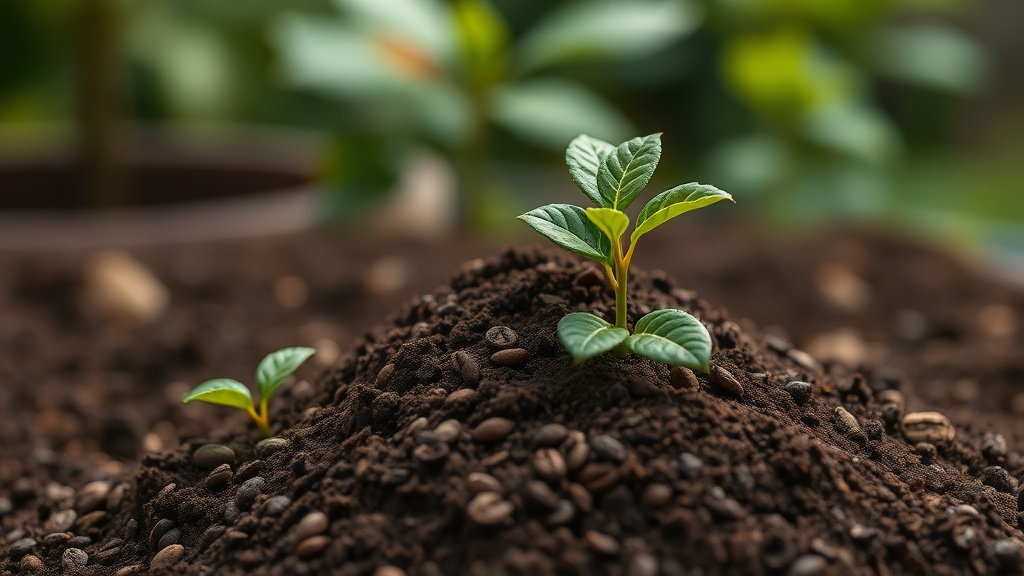
Use Coffee Grounds to Boost Your Soil Nutrition

Quick Tip
Mix used coffee grounds into your compost pile or top-dress acid-loving plants to boost nitrogen levels naturally.
Are you wondering what to do with that pile of wet coffee grounds sitting on your kitchen counter? Instead of tossing them in the trash, you can use them to improve your soil structure and add nitrogen to your garden beds. This tip explains how to apply grounds safely without harming your plants.
How Do I Use Coffee Grounds in the Garden?
You can use coffee grounds by mixing them into your compost pile or sprinkling them lightly on the soil surface. Most gardeners find it best to compost them first to ensure they are fully broken down. This prevents the grounds from becoming a thick, waterproof crust on top of your dirt (which is a common mistake).
If you're in a hurry, you can also use them as a nitrogen-rich top dressing for acid-loving plants like blueberries or hydrangeas. Just don't overdo it. A thin layer is plenty.
For a more structured approach, follow these steps:
- Compost them: Mix grounds with "browns" like dried leaves or shredded cardboard to balance the nitrogen.
- Liquid Fertilizer: Soak used grounds in water to create a mild liquid fertilizer for houseplants.
- Mulch Layer: Mix grounds with organic mulch to prevent them from clumping.
If you want to get serious about organic matter, I highly recommend checking out Composting 101: Turn Kitchen Scraps into Garden Gold to see how coffee fits into a larger system.
Can I Put Coffee Grounds Directly on My Plants?
Yes, you can, but you should always mix them with soil or compost rather than leaving them in a thick layer. Pure coffee grounds are quite acidic and can actually be slightly toxic to certain microbes if they aren't diluted. It's a delicate balance.
The nitrogen in coffee grounds is actually "organic" nitrogen, meaning it's released slowly as microbes break it down. This is a great way to feed your soil-dwelling organisms. According to the Wikipedia entry on coffee grounds, they contain a variety of micronutrients that can benefit plant growth when used correctly.
| Plant Type | Benefit of Coffee Grounds | Application Method |
|---|---|---|
| Acid-Lovers (Blueberries, Azaleas) | Increases soil acidity slightly | Lightly mixed into topsoil |
| Leafy Greens | Provides nitrogen boost | Added to compost pile |
| Houseplants | Gentle nutrient boost | Diluted in water |
Are Coffee Grounds Good for the Soil?
Coffee grounds are excellent for improving soil texture and adding organic matter. They help with aeration and moisture retention—though you have to be careful with the application. If you pile them too high, you'll end up with a matted, hydrophobic layer that actually repels water.
I usually use a small amount of grounds in my backyard projects, much like the upcycled materials I often write about. It's a simple way to reduce kitchen waste while feeding your garden. Just remember: a little goes a long way. If you use too much, you might actually hinder growth by making the soil too acidic too quickly.