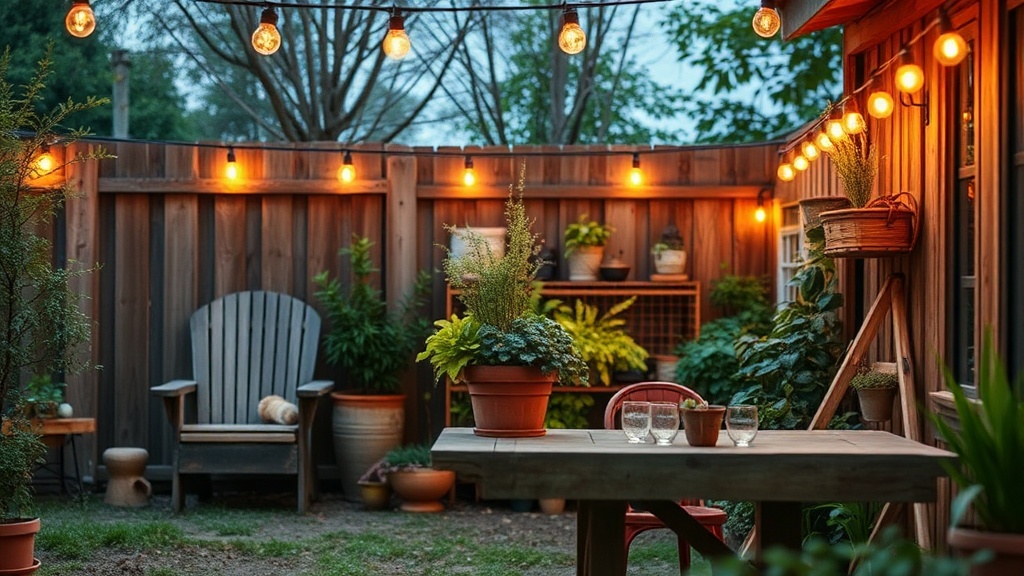
Six Upcycled Materials for Your Next Backyard Project

Old Wooden Pallets for Vertical Planters
Vintage Tin Cans for Colorful Seedling Starts
Broken Ceramic Mugs as Miniature Planters
Repurposed Old Boots for Whimsical Decor
Wine Crates for Rustic Outdoor Shelving
Old Bicycle Wheels for Climbing Plant Supports
Many people believe that building a beautiful backyard requires a massive budget and a trip to a high-end-home-improvement store. This is a mistake. High-quality outdoor design often comes from looking at what others are throwing away rather than buying brand-new-stock. This post explores six specific upcycled materials—ranging from old wooden pallets to discarded metal—that can transform your garden layout without the heavy price tag.
What are the best upcycled materials for garden beds?
The best materials for garden beds are untreated wood, such as cedar or old pallet slats, because they don't leach chemicals into your soil. When you're building raised beds, you have to be careful about the source of your wood. Most modern pressure-treated lumber contains chemicals that can affect soil health over time.
If you want to go the route of wood, look for "HT" stamps on pallets. This stands for Heat Treated, which means the wood was sterilized with heat rather than harsh pesticides. It's a safe, cheap way to build structural garden elements. If you're worried about soil safety, you might want to check the Wikipedia entry on raised bed gardening to understand how different materials interact with plant roots.
Common Wood Types for Upcycling:
- Untreated Cedar: Naturally rot-resistant and great for long-term use.
- Pallet Wood: Cheap, easy to find, and perfect for smaller, decorative planters.
- Old Barn Wood: Has a beautiful patina that looks great in rustic gardens.
Just keep in mind that pallet wood isn't meant to last decades. It's a shorter-term solution—maybe three to five years—but it's better than buying expensive new cedar every single season.
How can I use old bricks for garden paths?
You can use old bricks to create durable, permeable walkways or decorative edging for your flower beds. Bricks are incredibly versatile because they handle moisture well and can be laid in many different patterns.
Instead of buying expensive pavers from a big-box store, check local classifieds or even construction sites (with permission, of course). Old red bricks have a weathered look that looks much better than the uniform, sterile look of new concrete. You can create a herringbone pattern or a simple straight line. It's a great way to add texture to a garden path.
One thing to watch out for is drainage. If you lay bricks too tightly, water might pool. I usually suggest a layer of sand underneath to help with leveling and drainage. This keeps your paths from shifting too much during the winter freeze-thaw cycles we deal with here in Detroit.
If you're looking to improve your soil quality while you're working on these paths, remember that composting kitchen scraps is a great way to build up the ground before you lay your new features.
Can I use metal scraps for garden decor?
Metal scraps, particularly copper-toned or rusted steel, make striking sculptural elements and garden borders. Metal is much more durable than wood and can stand up to heavy rain and snow without rotting away.
Think about old metal washbasins or even old metal buckets. These can be turned into hanging planters or even used as part of a water feature. If you find an old galvanized steel tub, it makes a perfect large-scale planter for a perennial garden. It's a much more interesting look than a standard plastic pot.
Material Comparison: Metal vs. Wood for Decor
| Feature | Metal (Upcycled) | Wood (Upcycled) |
|---|---|---|
| Durability | High (lasts many years) | Medium (decays over time) |
| Aesthetic | Industrial/Rustic | Natural/Soft |
| Maintenance | Low (just cleaning) | Moderate (needs sealing) |
One thing to consider: metal can get incredibly hot in the summer sun. If you're using a metal container for a plant, make sure you aren't cooking the roots. You might want to use a liner or a thicker layer of soil to protect the plant's root system.
Is it safe to use old tires in my garden?
Old tires can be used for garden-related projects, but they should generally be used for structural purposes rather than direct food production. While many people use them for raised beds, there is an ongoing debate about heavy metals leaching into the soil.
If you want to use tires, I'd suggest using them for non-edible plants or as part of a seating area. They're great for creating tiered steps or even a small patio edge. If you're looking for a more organic way to manage your garden's edges, you might prefer edible ground covers instead of heavy rubber structures.
The catch? Tires hold water. If you don't have a plan for drainage, they can become a breeding ground for mosquitoes. Always ensure there's a way for water to escape the center of the tire.
How much does it cost to upcycle garden materials?
The cost of upcycling is usually very low, often costing only the price of a few tools or a transport fee. Most of these materials can be found for free or at a significant discount compared to retail prices.
Here is a quick breakdown of what you might actually spend when "buying" these materials:
- Pallets: Often $0 (check local businesses or shipping hubs).
- Old Bricks: $0 - $0.50 per brick if buying from a local builder or site.
- Metal Tubs/Basins: $5 - $20 at thrift stores or garage sales.
- Glass Jars: $0 (repurpose your own food-grade jars).
The real "cost" is your time. You'll spend more time hunting for these items and cleaning them than you would just buying something new. But the result is a backyard that actually has some character. It doesn't look like a catalog—it looks like a place where someone actually lives.
If you're working on a budget, don't forget that even small changes matter. A few old metal tins can become a beautiful herb station. It's not about the scale of the project; it's about the intention behind it.
When you're sourcing metal or wood, always check for sharpness or splinters. If you're using an old metal tub, give it a good scrub with a stiff brush. You want to make sure no old oils or residues are left behind. It's a simple step, but it makes a huge difference in how long your project lasts.
If you're interested in more water-efficient ways to manage your garden, you can look into rainwater harvesting techniques to complement your new upcycled features.
Don't be afraid to experiment. Your first upcycled project might not be perfect. It might be a little wonky or a little uneven. That's fine. That's the beauty of using things that have already lived a life. It adds a layer of history to your space that a brand-new item from a big-box store simply can't match.