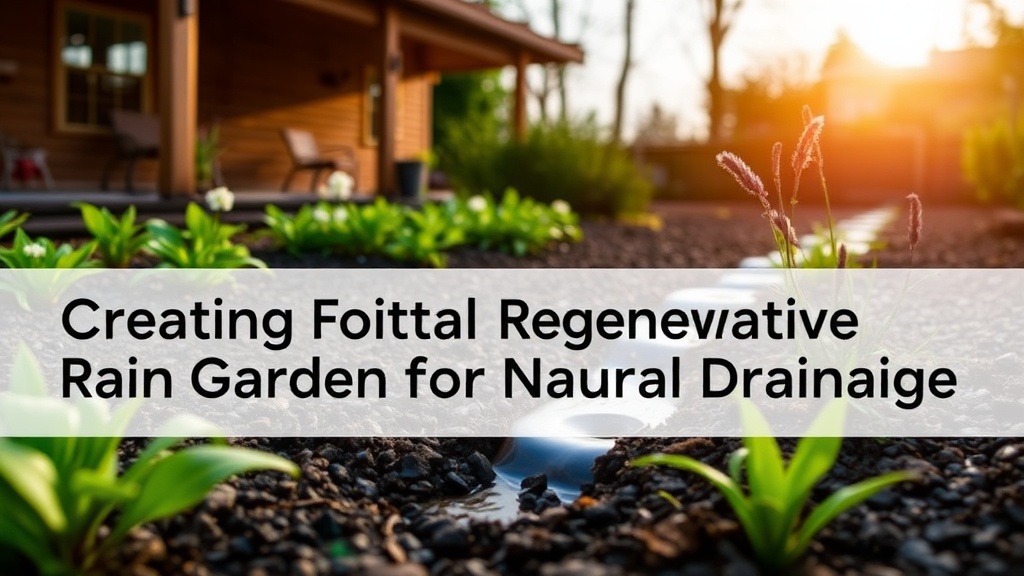
Creating a Regenerative Rain Garden for Natural Drainage

Are you tired of watching your backyard turn into a muddy swamp every time it rains? A regenerative rain garden manages stormwater runoff by capturing and filtering water through a shallow depression filled with native plants. Instead of letting water run off your roof or driveway into the street, you're directing it into the ground to recharge the water table and prevent erosion. This guide walks through the technical steps of designing, digging, and planting a functional drainage system that actually works with nature.
What is a rain garden and how does it work?
A rain garden is a shallow, landscaped depression designed to collect and soak up rainwater from roofs, driveways, or lawns. It acts as a natural filtration system. As the water sits in the basin, it slowly seeps into the ground rather than rushing into storm drains. This prevents local flooding and keeps pollutants—like lawn fertilizers or motor oil—out of our local waterways.
The physics behind it is pretty straightforward. You're essentially creating a temporary pond that mimics a natural wetland. Most rain gardens are designed to dry out within 24 to 48 hours. If water sits there longer than that, you've likely made a mistake in your grading or your soil composition (and you're basically inviting mosquitoes to a party).
To get the soil right, you might need to amend your existing dirt. Many urban soils, especially here in Detroit, can be heavy with clay. If your soil is too dense, the water won't soak in fast enough. You can use a mixture of sand and compost to improve drainage. If you're worried about the structural integrity of your garden beds, you might want to look into weather-resistant materials for urban raised beds to help define your edges.
Where should I place my rain garden?
The best location for a rain garden is a low-lying area at least 10 feet away from your home's foundation. You want to place it where you can easily direct runoff toward it, but you don't want to risk water seeping into your basement. Always check your local building codes or EPA guidelines on rainwater harvesting to ensure you aren't violating any local drainage regulations.
Look for these specific markers when choosing a spot:
- Distance from structures: Keep it far enough from the house to prevent foundation issues.
- Slope: It should be at the bottom of a slight slope, not the very bottom of a steep hill where it might erode.
- Sunlight: Most native plants thrive in full sun, but many can handle partial shade.
- Utility Lines: Never dig near underground power or gas lines.
A common mistake is placing the garden too close to a large tree. While trees are great, their roots will eventually compete with your garden plants for water. It's a bit of a balancing act. You want the water to go to the garden, not just disappear into a massive oak tree's root system immediately.
How much does it cost to build a rain garden?
A DIY rain garden typically costs between $100 and $500 depending on the size and the plants you choose. The primary expenses are the plants, soil amendments, and perhaps some mulch or stone. You can save a lot of money by sourcing native plants from local nurseries or even taking cuttings from neighbors (if they're okay with it, of course).
| Expense Item | Estimated Cost (Low) | Estimated Cost (High) | Notes |
|---|---|---|---|
| Native Plants/Seeds | $50 | $200 | Perennials are more expensive but last longer. |
| Soil/Compost | $30 | $100 | Depends on the volume of the depression. |
| Mulch/Stone | $20 | $60 | Use organic mulch to feed the soil. |
| Tools (Shovel, Rake) | $0 | $50 | Assuming you have basic garden tools. |
If you're on a tight budget, don't skip the plants. A garden without the right vegetation is just a hole in the ground. You can buy seeds for a few dollars, but for a functional drainage system, I'd recommend buying established perennials from a reputable source like Native Plants Nation or a local botanical garden. It's a better investment for the long haul.
What plants should I use for a rain garden?
You should use native plants that can handle both "wet feet" (temporary flooding) and periods of drought. This versatility is key. A rain garden isn't a permanent pond; it's a place that gets soaked and then dries out. You need plants that can survive both extremes.
I always suggest looking for plants with deep root systems. These roots act like little sponges and help stabilize the soil. Here is a list of plant types that work well in different parts of the garden:
- The Center (Wettest Zone): Use plants like Iris versicolor (Blue Flag Iris) or Asclepias incarnata (Swamp Milkweed). These love sitting in water.
- The Slopes (Transition Zone): Plants like Panicum virgatum (Switchgrass) or certain types of Carex (Sedges) are perfect here. They handle moisture but can tolerate drier soil.
- The Edges (Drier Zone): Use sun-loving perennials like Echinacea purpurea (Purple Coneflower) or Rudbeckia (Black-eyed Susans).
Avoid non-native "ornamentals" that look pretty but don't serve a functional purpose. They often have shallow roots and won't help with drainage or provide much benefit to local pollinators. If you want to improve your soil quality while you're at it, you might find this habit for your garden soil useful for preparing your garden beds.
How do I build a rain garden step-by-step?
Building the garden involves four main stages: marking, digging, amending, and planting. It's a bit of a heavy lifting process, but the results are worth the sweat.
Step 1: Mark the area. Use a garden hose or spray paint to outline your depression. I usually make it about 5 to 10 feet wide and 2 to 3 feet deep at the center.
Step 2: Dig the basin. Dig out the soil in a shallow, bowl-like shape. Don't make it a deep pit; you want a gentle slope. The center should be the deepest point. As you dig, keep the excess dirt—you'll need it to create the berms (the raised edges).
Step 3: Amend the soil. This is where many people cut corners, but don't. Mix in some high-quality compost or sand to ensure the water actually moves through the ground. If your soil is pure clay, the water will just sit there and turn into a stagnant puddle.
Step 4: Create the berms. Use the soil you dug out to create a small ridge around the edge of your garden. This keeps the water contained within your designated area. Make sure the berms are compacted so they don't just wash away during the first storm.
Step 5: Plant and mulch. Place your plants according to the zones we discussed earlier. Once they're in the ground, cover the bare soil with 2-3 inches of mulch. This helps retain moisture and prevents weeds from taking over while your new plants get established.
It's a bit of work, but once it's done, it's mostly a matter of watching it grow. You'll have a beautiful, functional part of your yard that actually helps the environment instead of fighting it. If you've been looking for ways to maximize your outdoor space, you might also enjoy cultivating abundance through vertical garden innovation to add more greenery to your property.